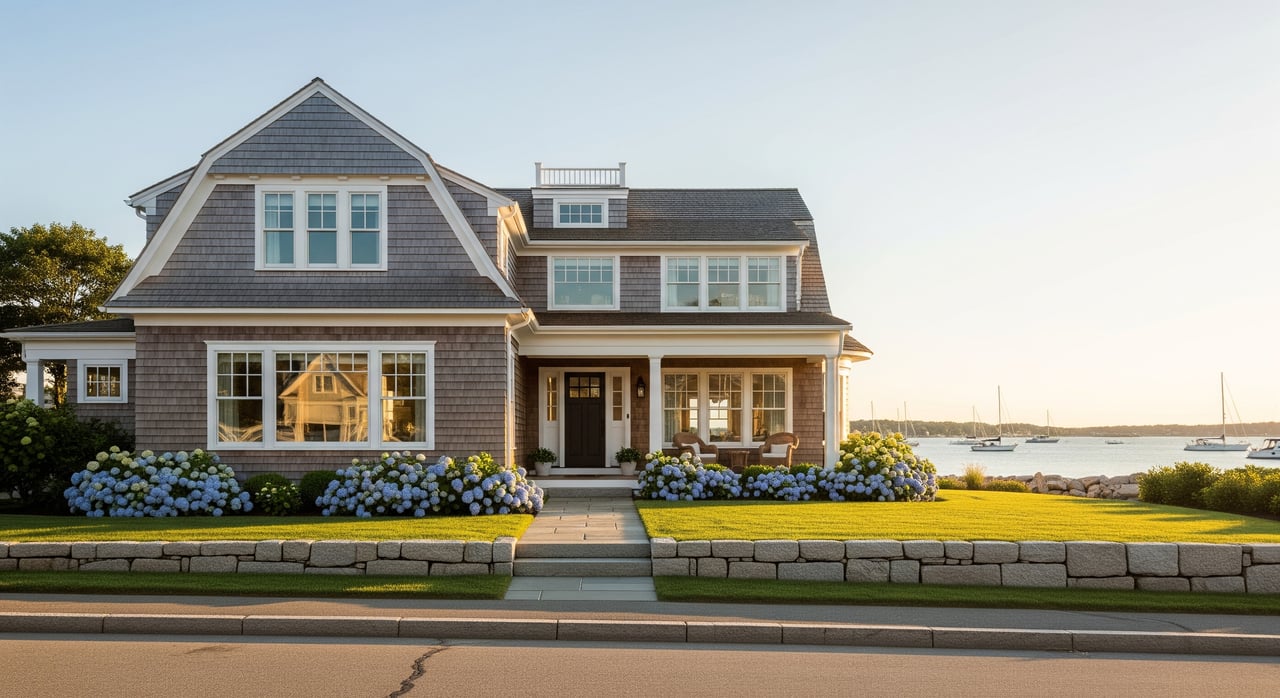
Thinking about selling your Swampscott home and wondering when to list for the best results? You are not alone. Timing your sale right can boost visibility, speed up your timeline, and help you net more at closing. In this guide, you will learn the best listing windows for Swampscott, a simple prep plan, and key coastal factors that affect your sale. Let’s dive in.
Why timing matters in Swampscott
Seasonality shapes buyer demand on the North Shore. Industry data consistently shows that buyer traffic peaks in spring and early summer, and well-presented homes listed during that window often sell faster and closer to asking. You can review the National Association of Realtors’ market commentary for ongoing trend context at the NAR site.
Swampscott has a few local twists. It is a coastal town with smaller, tight inventory and many buyers who time moves around the school year. That means late spring listings often line up with summer closings, which is appealing to many. At the same time, interest rate shifts, inventory spikes, and coastal weather can change month-to-month dynamics, so use seasonality as a guide, not a rule.
Best months to list
April to June advantage
For New England coastal markets like Swampscott, late April through June is often the prime window. Weather is favorable for showings and photography, gardens and outdoor spaces look their best, and buyers are active. This timing also supports a standard 30 to 45 day escrow that lands your closing in summer. Broader market commentary from the National Association of Realtors supports the spring demand pattern.
September to October window
Early fall can also perform well, especially if inventory drops after summer. Motivated buyers re-enter the market with fresh focus, and you face fewer competing listings. If spring was crowded or your prep took longer than expected, this can be an excellent second chance.
Winter strategy
From November through February, buyer traffic typically slows. If you must list in winter, plan on fewer showings and a potentially longer time to contract. The upside is that motivated buyers are still searching, and competition can be light. You can adjust pricing and incentives to meet the market and still achieve a solid result.
Tip: Before you lock in a month, review local trends for Essex County and Greater Boston to confirm current momentum. The Massachusetts Association of Realtors provides county and metro reports that can help you gauge conditions.
Local factors that shift the calendar
Mortgage rates and inventory
Rapid rate changes can bring buyers off the sidelines or slow activity. In a low-inventory month, even an off-peak listing can shine. In a high-inventory month, you may need sharper pricing or standout marketing.
Flood zones and insurance
If your property is in a Special Flood Hazard Area, many lenders will require flood insurance. This can affect buyer budgets and timelines. Check your property’s flood zone at the FEMA Map Service Center, and gather your flood insurance records early. Clear documentation helps buyers and can reduce surprises during underwriting.
Weather and curb appeal
Coastal weather affects photos, landscaping, and exterior condition. Salt exposure can age trim, railings, and metal fixtures. Scheduling exterior touch-ups and photos during fair weather will improve first impressions and your online presentation.
Prep timeline that works
A thoughtful plan gives you flexibility to hit the right window without rushing. Here is a simple, proven timeline you can tailor to your home.
8–12 weeks out: repairs and planning
- Tackle any major repairs, such as roof work, HVAC service, or structural items.
- For coastal homes, address salt-damaged trim and exterior corrosion.
- Create a list of must-do and nice-to-have projects, then set a budget and schedule.
- If flood insurance applies, gather policy details and elevation or mitigation records.
4–6 weeks out: refresh and curb appeal
- Deep clean, declutter, and donate or store extras to open up rooms.
- Paint high-traffic areas in neutral tones and touch up the front door and trim.
- Improve landscaping, repair fencing, and refresh mulch or planters.
- Service gutters and check for signs of coastal wear around doors and windows.
2–3 weeks out: marketing assets
- Schedule professional photography on a clear day to capture natural light.
- Consider staging or light styling to highlight views and outdoor living spaces.
- Prepare floor plans and feature sheets that emphasize location, transit access, and lifestyle benefits.
- Draft your seller disclosures and gather maintenance records for systems and shoreline or seawall work, if applicable.
Week of listing: pricing and launch
- Review a fresh comparative market analysis using recent local sales.
- Set a list price strategy aligned with season and inventory.
- Confirm showing instructions and open house dates.
- Launch with high-quality media and clear, benefits-led copy.
Pricing and negotiation by season
In peak months, competitive pricing can spark multiple offers and shorten days on market. You can consider a tighter list price range that focuses on visibility and value. In slower months, build in flexibility with price or offer incentives like closing cost credits or a rate buydown if buyer affordability is a concern.
Always base your price on recent, relevant comps from Swampscott and nearby North Shore towns. In a fast-changing environment, comps older than 90 days can be less reliable. Your agent should refresh data right before launch and again after your first week on market.
Photos and staging by season
- Spring and summer: Lean into natural light, gardens, decks, and proximity to beaches and parks. Schedule photos when the sky is clear and the exterior pops.
- Fall: Highlight interior warmth and energy efficiency. Showcase updated windows, insulation, and service records for heating systems.
- Winter: Stage for comfort and brightness. Keep walkways clear, add seasonal greenery, and use video or virtual tours to reach buyers who travel less in winter.
Plan your closing date
A standard escrow often runs 30 to 45 days, though cash or streamlined loans can move faster. If you want a summer move, list in late spring and work back from your desired close date. If you need a rent-back or have a lease to finish, disclose this early so buyers can structure offers around your timing.
What to disclose and document
Lead-based paint rules
If your home was built before 1978, federal law requires you to provide a lead disclosure and deliver the EPA pamphlet to buyers. You can learn more at the EPA’s lead page and the HUD site.
Flood and coastal details
Disclose known flood history, any insurance claims, and mitigation efforts such as raised utilities or shoreline improvements. Confirm your property’s flood zone through the FEMA Map Service Center, and keep your insurance details handy for buyer and lender questions.
Taxes, title, and utilities
Property taxes are assessed by the town. For current tax information, property records, and local procedures, visit the Town of Swampscott’s official site. Clarify whether the home is on municipal sewer or a private system and provide recent inspection or service records where available.
Condos and associations
If you are selling a condominium, line up condo documents early. Buyers and lenders will want financials, rules, and resale certificates. Delays here can slow closing, so ask your association for timelines and required forms at the start of your prep.
How we help Swampscott sellers
You deserve a plan tailored to Swampscott’s coastal market and your goals. Our team brings hands-on North Shore expertise, professional marketing, and a calm, consultative approach that keeps you confident from prep to closing. We help you:
- Pinpoint the best listing window based on real-time local trends.
- Build a practical prep plan and vendor schedule so you launch on time.
- Price with precision using fresh comps and market context.
- Market your home with high-impact media and lifestyle-focused copy.
- Negotiate for your timeline and net while keeping the process smooth.
For broader context and monthly trends, we also monitor Essex County and Greater Boston updates from the Massachusetts Association of Realtors alongside local records from the Town of Swampscott. This mix of data and local insight helps you make clear decisions without guesswork.
Ready to find your best window and go to market with confidence? Reach out to the The North Shore and More Team at eXp to get a tailored plan and a clear timeline that fits your move.
FAQs
Is spring always the best time to sell in Swampscott?
- Spring, especially April through June, often delivers the most buyer activity, but interest rates, inventory, and weather can shift results. Early fall can also be strong in low-inventory years.
How long does it take to prepare a Swampscott home for sale?
- Minor prep like cleaning and paint can take 2 to 6 weeks, while major repairs or renovations often need 8 to 12 weeks or more.
Do coastal homes in Swampscott sell differently than inland homes?
- Yes. Coastal listings see seasonal demand and may involve flood-zone checks, insurance questions, and additional inspections; have documentation ready to keep timelines on track.
Should I wait for mortgage rates to drop before listing?
- Timing a sale around rate swings is risky. If local comps support your price and your home can show at its best now, consider listing and use pricing or incentives to meet the market.
Where can I find reliable local market data for Swampscott?
- Check county and metro updates at the Massachusetts Association of Realtors, municipal records via the Town of Swampscott, and consult your local agent for recent MLS comps.