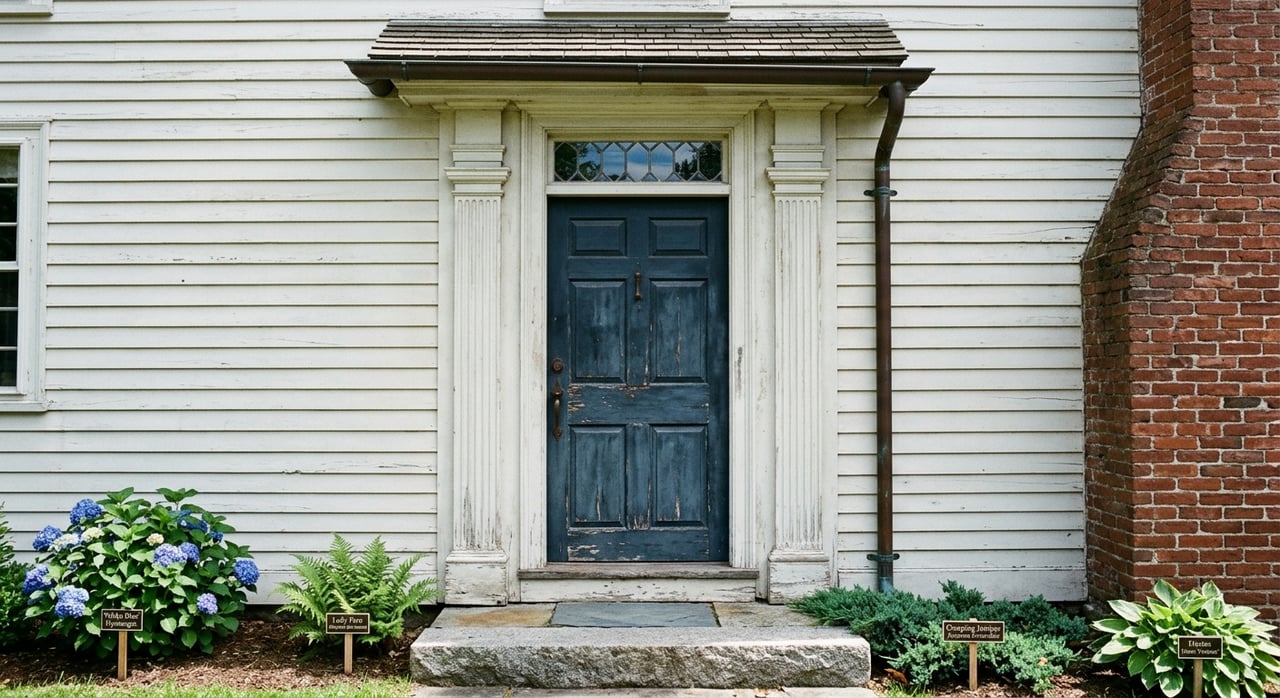
Dreaming about a historic home in Salem? You are not alone. From elegant Federal facades to early colonial structures, Salem offers a level of architectural character that is hard to find elsewhere, but charm should never replace careful due diligence. If you are thinking about buying one of these older properties, it helps to know what to check before you make an offer, what rules may apply after closing, and how to budget for upkeep with clear eyes. Let’s dive in.
Why Salem historic homes stand out
Salem has an unusually broad mix of historic housing. According to Historic Salem, you can find First Period, Georgian, Federal, Greek Revival, Italianate, Second Empire, Late Victorian Eclectic, and Colonial Revival homes throughout the city.
That variety matters because each style often comes with different construction details, maintenance needs, and renovation considerations. The Peabody Essex Museum also notes that Salem includes every major American architectural style, with the McIntire district especially known for Georgian and Federal homes.
Common styles you may see
If you are touring older homes in Salem, a few style cues can help you understand what you are looking at.
- First Period homes often feature heavy timber framing and simple detailing.
- Georgian homes usually emphasize symmetry, balanced layouts, sash windows, and gambrel or gabled roofs.
- Federal homes keep that symmetry but often include lighter ornament, fanlights, sidelights, and shallow roof forms.
- Greek Revival homes often highlight the gable end and use columns, pilasters, or temple-like pediments.
- Late Victorian Eclectic homes tend to have more complex rooflines, mixed materials, and more decorative trim.
Why older homes are often layered
Many Salem homes are not frozen in time. They have usually been repaired, updated, expanded, or altered over many decades.
That means you may be buying a home with original framing, later windows, updated heating, patched masonry, or a mix of old and newer finishes. In practical terms, you want to evaluate the house as it exists today, not just admire its architectural label.
Check historic district status first
Before you fall in love with paint colors or a front porch, find out how the property is designated. This can affect what you can change after closing.
Salem has four local historic districts: McIntire, Derby Street, Lafayette Street, and Washington Square. Under Massachusetts General Laws Chapter 40C, exterior architectural features that are visible from a public street, public way, public park, or public body of water may be subject to review.
Local district vs National Register
This is one of the most important distinctions for buyers. A home in a local historic district generally faces review for visible exterior changes, while a property in a National Register district does not automatically restrict a private owner from making changes unless state or federal funding is involved.
So if you are comparing two historic homes in Salem, one may come with a more formal review process for future projects than the other. That can influence your timeline, budget, and renovation plans.
What may need review
In a local historic district, exterior work visible from a public way generally needs commission review, and a certificate is required before a building permit is issued. Salem’s preservation guidance and state law make this an important part of your pre-offer research.
Projects that can become more procedurally sensitive include:
- Window replacement
- Porch changes
- Roofline changes
- Additions
- Exterior paint changes
- Demolition
Ordinary maintenance, repair, or replacement that does not change the design, material, color, or outward appearance is generally treated differently. Salem’s Historical Commission recommends reviewing local design guidelines before filing an application.
Demolition delay matters too
Even outside the local historic district process, Salem also has a citywide demolition-delay ordinance. Historic Salem notes that this applies to buildings more than 50 years old, with longer delays for older structures.
If you are considering a major redevelopment plan or teardown potential, that is something to understand upfront, not after you close.
Focus your inspection on the right issues
A historic home inspection should go beyond a quick reaction to charm or cosmetics. Massachusetts says a standard home inspection is a visual inspection of the physical structure and major interior systems, and it is limited in scope.
That means a standard inspection is not a guarantee and may not reveal hidden conditions. For many older Salem homes, that makes targeted follow-up inspections especially important.
Key systems to examine closely
Historic New England recommends close attention to the parts of an older house that are most exposed to weather and moisture. For buyers, that usually means asking detailed questions about:
- Roof condition
- Gutters and downspouts
- Flashing
- Foundation and masonry
- Chimneys
- Windows and wood trim
- Structural framing
- Heating and cooling systems
- Electrical system
- Plumbing system
Moisture is often the common thread. A small drainage issue can turn into wood damage, masonry deterioration, or basement problems over time.
When to bring in specialists
In many Salem purchases, a general home inspector is only the starting point. Depending on what comes up, you may want a specialist before you move forward.
A few common examples include:
- A historic mason if you see brick, stone, mortar, or repointing concerns
- A structural engineer with timber-frame experience if there is sagging, cracking, or visible movement
- A wood-destroying insect or termite inspector if there is moisture, soft wood, or signs of past infestation
- A lead professional for homes built before 1978
- A trained and accredited asbestos professional if suspect materials may be disturbed
Historic New England also recommends annual termite checks and advises that major timber issues should be evaluated by an engineer familiar with timber-framed structures.
Understand lead and asbestos risk early
Lead and asbestos are common concerns in older homes, and Salem’s age makes them especially relevant. These issues do not have to stop a purchase, but they should be part of your due diligence.
Lead paint in pre-1978 homes
The EPA says homes built before 1978 may contain lead-based paint. It also notes that renovation can create dangerous lead dust, which is why lead-safe practices matter when painted surfaces may be disturbed.
Massachusetts and federal law also require lead-paint notification for prospective buyers of pre-1978 homes. If you are buying an older Salem property, ask whether the required disclosure package has been provided and whether additional testing makes sense before future work.
EPA guidance also notes that lead pipes, faucets, and fixtures are more common in older cities and in homes built before 1986. That makes plumbing age another useful part of your review.
Asbestos in older materials
The EPA says asbestos cannot be identified by sight alone. Common suspect materials can include older floor tile, ceiling tile, and pipe wrap.
If those materials are damaged or may be disturbed during renovation, sampling by a trained professional is recommended. For buyers, this matters less as a cosmetic issue and more as a project-planning and safety issue.
Review flood exposure and drainage
Because Salem includes coastal and flood-sensitive areas, flood and drainage research should be part of your buying process. This is true even if a home looks dry on showing day.
Salem’s stormwater program says runoff is a major source of inland flooding and coastal pollution in the city. That makes site drainage, grading, downspout routing, and basement moisture worth checking carefully.
Verify flood maps directly
FEMA’s Flood Map Service Center is the official source for National Flood Insurance Program flood hazard information. NFIP also states that flood insurance is required for homes in a Special Flood Hazard Area when the borrower has a government-backed mortgage.
Another critical point is that homeowners insurance does not cover flood damage. If a home is in or near a flood-prone area, you will want to understand both current insurance needs and how flood exposure could affect future ownership costs.
Ask about Salem resiliency overlays
Salem’s GIS resources include a Coastal Resiliency Overlay District map with projected 2070 sea-level-rise base flood elevation data. If you are comparing homes near the waterfront or in lower-lying sections of the city, this can add important context.
It may also affect how you think about long-term renovation plans, basement use, drainage improvements, or future carrying costs.
Budget for ongoing maintenance
One of the biggest mindset shifts with a historic home is this: you are usually budgeting for ongoing stewardship, not a one-time fix. The best historic-home purchases often involve realistic maintenance planning rather than a hope that everything old will somehow stay still.
Historic New England recommends routine attention to gutters, downspouts, flashing, windows, masonry, and moisture control. It also advises repairing wood sash windows when possible, matching mortar composition during masonry repairs, and avoiding overly aggressive cleaning methods.
What a smart budget looks like
A practical maintenance budget for a Salem historic home often includes room for:
- Seasonal gutter and drainage work
- Exterior wood repair and paint upkeep
- Masonry monitoring and specialized repointing
- Chimney maintenance
- Window repair
- Moisture prevention in basement or crawl areas
- Specialist evaluation when older systems show wear
In many cases, a better buy is the home with preserved character, documented repairs, and manageable projects, not simply the one with the lowest price tag.
Questions to ask before you buy
If you want a simple framework, start with a short list of practical questions during your search.
Ask these early
- Is the property in a local historic district, a National Register district, or neither?
- Which exterior changes would need commission review?
- What counts as ordinary maintenance versus a reviewed change?
- How old are the roof, gutters, windows, boiler or furnace, electrical system, and plumbing?
- Are any visible materials likely to need specialist review?
- Has the seller provided the lead-paint notification package for a pre-1978 home?
- Is the property in a FEMA flood zone or within Salem’s coastal resiliency overlay area?
- Are there drainage, basement moisture, chimney, or masonry concerns that need a second opinion?
The goal is not to talk yourself out of a historic home. It is to make sure you understand what you are buying so you can move forward with confidence.
A Salem historic home can be a wonderful purchase when you balance emotion with process. If you love the character, the layout, and the location, careful due diligence can help you protect both your budget and your peace of mind.
If you are weighing historic homes in Salem and want practical guidance on location, property condition, and what to look for before you offer, connect with The North Shore and More Team at eXp. We are here to help you buy with clarity and confidence.
FAQs
What should you check before buying a historic home in Salem?
- You should confirm the property’s historic district status, review major systems and visible structural elements, ask about lead disclosure for pre-1978 homes, and check flood exposure and drainage conditions.
What is the difference between a local historic district and a National Register district in Salem?
- A local historic district generally requires review for visible exterior changes, while a National Register district is typically honorary for private owners unless state or federal funding is involved.
What exterior work may need review for a Salem historic home?
- In a local historic district, visible exterior changes such as window replacement, porch changes, roofline changes, additions, exterior paint changes, and demolition may require commission review.
What does a standard Massachusetts home inspection cover for an older Salem house?
- Massachusetts describes a standard home inspection as a visual inspection of the physical structure and major interior systems, which means hidden conditions may not be identified without additional specialist review.
When should you hire a specialist for a historic home in Salem?
- You should consider a specialist when there are signs of masonry problems, timber movement, termite activity, suspected lead, suspected asbestos, or other concerns that go beyond a general inspection.
Do Salem historic homes need flood insurance?
- Flood insurance may be required if the property is in a Special Flood Hazard Area and the loan is backed by the government, and standard homeowners insurance does not cover flood damage.