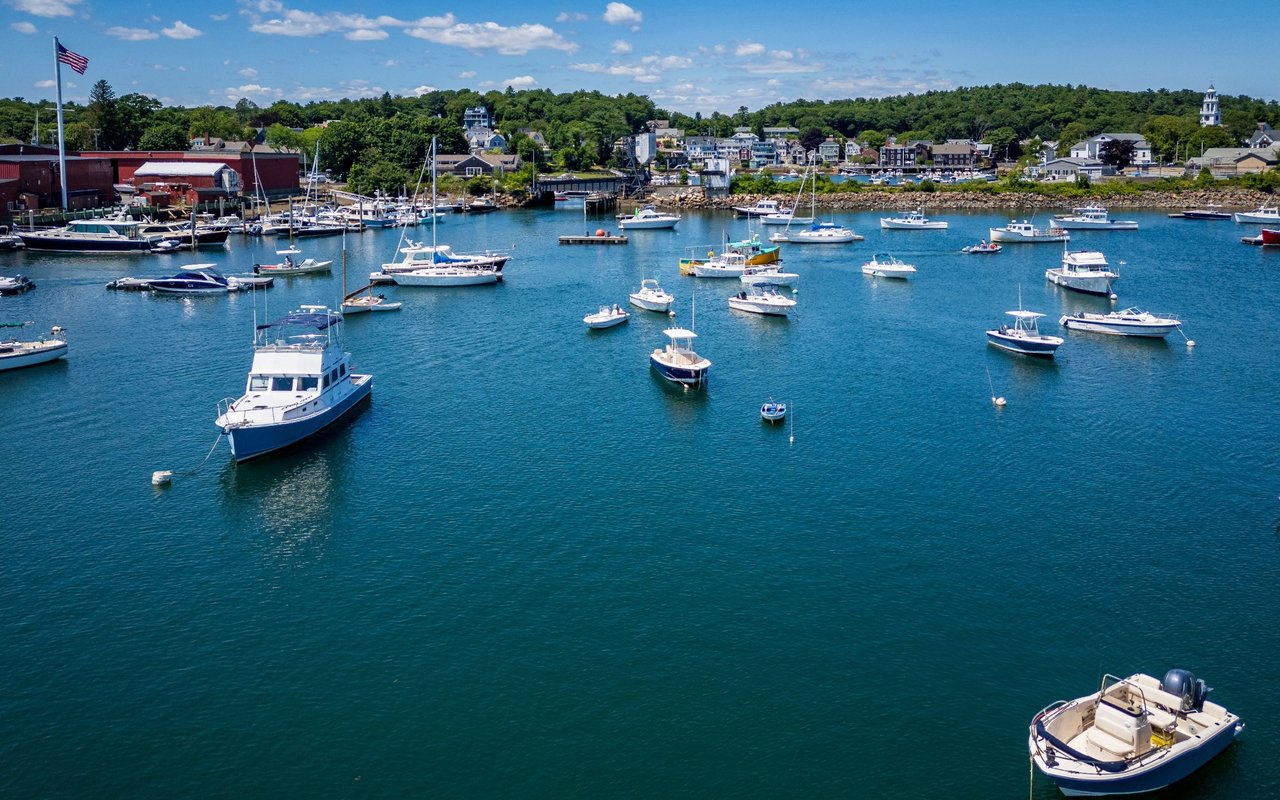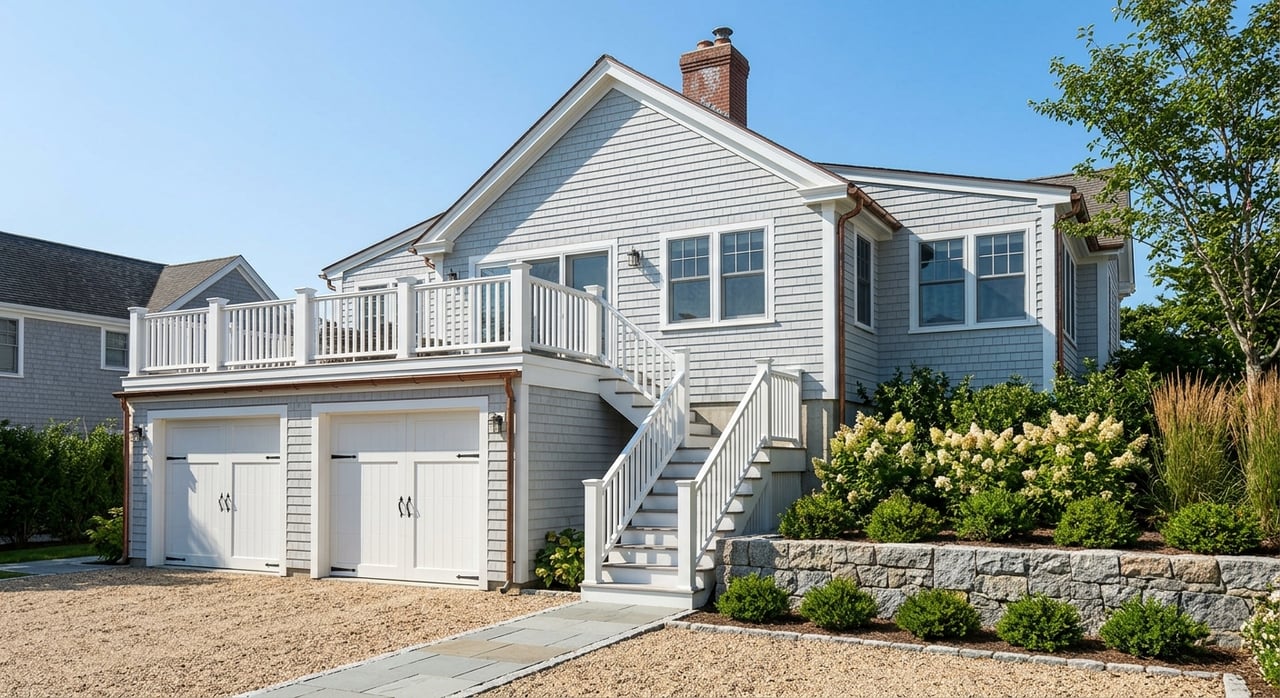
Wondering if condo living in Marblehead gives you the best of both worlds: easy harbor access and a walkable coastal lifestyle? If you love the idea of being close to the water without taking on the full upkeep of a standalone home, Marblehead can be a compelling option. The key is understanding how this town actually works, from public harbor access to parking and condo rules, so you can choose with confidence. Let’s dive in.
Why Marblehead Feels Different
Marblehead condo living is shaped by a historic, village-scale setting rather than a modern condo district. The town’s official materials highlight a dense historic core, narrow public ways, and views tied closely to the harbor and coastline.
That matters because many condos here feel woven into the town’s existing fabric. Instead of a high-rise environment, you are more likely to find homes that reflect Marblehead’s preserved coastal character and compact street pattern.
Marblehead also maintains 18 open public ways, including eight downtown and ten on Marblehead Neck. Some are pedestrian-focused, and a few, like Lookout Court and Prospect Alley, are especially notable for harbor views and a distinctly local feel.
Harbor Access in Marblehead
If harbor access is high on your list, Marblehead delivers a strong waterfront lifestyle, but it helps to know what access really means. In town, being near the harbor is not the same as having private boating rights or guaranteed long-term mooring.
The Harbormaster requires a permit before mooring equipment is installed or a boat is anchored in regulated harbor space. Mooring permits are limited, transferable only between spouses and children, and subject to a long waiting list.
That does not mean waterfront living is out of reach for condo owners. It means you should think about harbor use in practical terms and match your expectations to the town’s rules.
Public Landings and Floats
Marblehead maintains several public landings and floats that support day-to-day harbor access. These include Cliff Street, Commercial Street, Crocker Park, Gerry Playground, Parker’s Boatyard, State Street, Village Street, and Tucker’s Wharf.
Tucker’s Wharf stands out for visiting boaters because it is a town-owned landing with laundry, showers, and restrooms. For some buyers, that kind of infrastructure can make occasional boating use more realistic, even without a private waterfront setup.
Transient Boating Options
The town notes that transient moorings and docks are available, which can be helpful if your boating needs are occasional or seasonal. However, transient use is capped at 10 nights, so it is not a substitute for a long-term mooring plan.
If you are comparing condos based on boating lifestyle, this is an important point to clarify early. A condo near the harbor may support a great waterfront routine, but you will still want to understand how you would actually store, launch, or access a boat.
Waterfront Life Beyond Boating
One of Marblehead’s biggest strengths is that harbor living is not just for boat owners. Some of the best parts of the lifestyle come from easy access to beaches, parks, and scenic waterfront spaces.
Riverhead Beach sits on Marblehead Harbor and includes a boat ramp. Chandler Hovey Park, Crocker Park, Fort Sewall, and Castle Rock Park all offer harbor or ocean views, giving you plenty of ways to enjoy the water even if you never apply for a mooring permit.
Chandler Hovey Park also offers parking and the Marblehead Light Tower, which adds to its appeal as a local destination. For many condo buyers, these public spaces are a meaningful part of everyday life and a big reason Marblehead stands out.
Village Life and Walkability
Marblehead is especially appealing if you enjoy walking and a close-knit town layout. The pedestrian network, historic public ways, and compact downtown pattern all contribute to a lifestyle where quick outings on foot can become part of your routine.
The town’s hilly terrain and historic building pattern discouraged a major thoroughfare, which helps explain why Marblehead feels intimate and distinctive. At the same time, that same pattern can make it less car-friendly than newer suburban communities.
For you, that means the best condo fit may depend on how you like to move through daily life. If you are comfortable mixing walking, short drives, and seasonal waterfront routines, Marblehead can feel especially rewarding.
What Walkability Looks Like Here
Walkability in Marblehead is not just about sidewalks and blocks on a grid. It is about public shortcuts, scenic lanes, and access to the harbor and village center in a setting that has grown over time.
Some of the town’s public ways are narrow, scenic, and historically significant. Lookout Court is foot-traffic only, which gives you a good sense of how pedestrian movement is part of the town’s identity.
Parking Matters More Than You Think
Because Marblehead is so walkable and historic, parking deserves more attention than many buyers first expect. In condo living, details like deeded spaces, guest parking, and overflow options can have an outsized effect on day-to-day convenience.
The town’s Resident Facility Sticker program grants access to free parking at Devereux Beach. The town also notes that beach parking may be closed for public safety reasons and is governed by resident and non-resident parking rules.
That is why parking should be treated as a material condo feature, not a minor extra. If you are comparing properties, ask specific questions about off-street parking, visitor parking, seasonal parking routines, and how often you may need to rely on public options.
Condo Due Diligence in Marblehead
In Massachusetts, condos are governed by Chapter 183A and managed through documents like the master deed, deed, by-laws, and related condominium records. These documents outline how the association operates and who handles maintenance, repairs, insurance, meetings, voting, reserve funds, and common expenses.
For you as a buyer, that means the right questions often go beyond the unit itself. A beautiful interior matters, but the association’s structure and financial health can affect your ownership experience just as much.
Questions to Ask About the Association
Before you buy, take time to review the association side of the property carefully. Focus on practical questions like:
- What do the by-laws allow or restrict?
- What does the condo fee cover?
- How healthy is the reserve fund?
- Have there been recent or planned special assessments?
- How are common expenses allocated?
- How are meetings and owner votes handled?
Massachusetts also allows condo association meetings and votes to be conducted electronically when the required process is followed. That can matter if you want easier participation and clearer communication once you own the unit.
Historic District Rules Can Affect Renovations
In Marblehead, due diligence may need to go one step further. If a condo is in a local historic district or its exterior is visible from a public way, proposed exterior changes may require approval from the Old & Historic Districts Commission.
This is especially important in condo conversions or townhouse-style properties where owners may assume exterior updates are straightforward. In reality, local preservation rules may shape what changes are allowed, how materials are handled, and what approval process you need to follow.
If you are buying with renovation plans in mind, ask early about both association approval and local historic review. That simple step can save time, money, and frustration later.
How Marblehead Compares Nearby
Marblehead offers a very specific mix of coastal living features. It is strongest on harbor atmosphere, historic village character, beaches, and pedestrian shortcuts.
For some buyers, that combination is exactly the point. For others, especially those prioritizing rail access or a more transit-oriented setup, nearby towns may offer a different balance.
Salem, Swampscott, and Beverly Tradeoffs
Marblehead’s own materials identify nearby MBTA-station towns such as Salem and Swampscott. Salem is served by the Newburyport/Rockport commuter rail line, and the city notes parking options at the Crescent Lot and MBTA parking garage.
Swampscott’s master plan describes Humphrey Street as the town’s cultural and social center and notes redevelopment around the MBTA train station with shops and residences in a walkable environment. Beverly also highlights four commuter rail stations, a thriving downtown center, public boat docks, parks, and open space.
If you are deciding between these communities, the choice often comes down to lifestyle fit. Marblehead leans toward harbor atmosphere and historic village living, while Salem, Swampscott, and Beverly may be more convenient if commuter rail access is a top priority.
Who Marblehead Condo Living Fits Best
Marblehead condo living can be a great fit if you want a coastal home base with strong character and everyday access to the harbor environment. It works especially well if you value walking, public waterfront spaces, and a setting that feels tied to local history.
It may be less ideal if you want simple car access, easy parking, or a rail-centered daily routine right outside your building. That does not make Marblehead better or worse than nearby options. It just means the right choice depends on how you want your week to feel.
If you are drawn to harbor views, village streets, beaches, and a preserved coastal setting, Marblehead deserves a close look. The smartest move is to pair that excitement with careful review of parking, harbor logistics, condo documents, and any historic-district restrictions.
If you want help comparing Marblehead condos or weighing Marblehead against other North Shore options, reach out to The North Shore and More Team at eXp for a local, consultative conversation.
FAQs
What makes Marblehead condo living different from other North Shore towns?
- Marblehead stands out for its historic village character, harbor atmosphere, public ways, beaches, and walkable coastal setting rather than a transit-oriented or modern condo-district feel.
What does harbor access mean for Marblehead condo owners?
- Harbor access usually means proximity to public landings, floats, parks, beaches, and boating infrastructure, not automatic private mooring rights or private waterfront control.
What should Marblehead condo buyers know about mooring permits?
- The Harbormaster requires permits for mooring equipment and regulated anchoring, permits are limited, transfers are restricted to spouses and children, and there is a long waiting list.
Why is parking important when buying a condo in Marblehead?
- Marblehead’s compact historic layout can make car access less convenient, so off-street parking, guest parking, and seasonal parking rules should be reviewed carefully before you buy.
What condo documents should buyers review in Massachusetts?
- Buyers should review the master deed, deed, by-laws, and related condominium documents to understand fees, maintenance responsibilities, reserve funding, voting, insurance, and possible assessments.
How can historic district rules affect a Marblehead condo?
- If the property is in a local historic district or visible from a public way, exterior changes may require review and approval from the Old & Historic Districts Commission.