Ready to trade weekend chores for a simpler, lock-and-leave lifestyle in Peabody? If you are thinking about downsizing, condos and townhomes can give you more time, less maintenance, and the right mix of amenities. In this guide, you will compare options, understand fees, and see how different locations fit your day-to-day life. You will also get a practical checklist to buy with confidence. Let’s dive in.
Why downsizing in Peabody works
Peabody offers a strong mix of price points and property types, which makes it a natural downsizing destination. As of January 2026, public market snapshots show single-family and overall medians clustered around the mid six hundreds, with one report noting roughly $661,000. Regionally, North Shore REALTORS reported a May 2025 median condominium price around $470,000, which gives helpful context for condo buyers. You can review the association’s summary in the May 2025 statistics release.
Property taxes are another piece of the puzzle. Aggregated data sources estimate Peabody’s effective property-tax rate in the neighborhood of 0.8 to 0.95 percent, though actual bills depend on assessed value and exemptions. For planning, start with these estimates, then confirm with the Peabody Assessor. You can explore rate context on ATTOM’s Property Navigator.
Condo vs. townhome: how they differ
Condominiums at a glance
In a condo, you own your unit’s interior and share ownership of the building’s common areas. The association typically handles exterior maintenance, landscaping, snow removal, and common utilities. Many mid-rise buildings offer elevators, assigned parking, and modest amenity packages. Monthly HOA fees tend to be lower when buildings offer fewer on-site amenities.
Townhomes at a glance
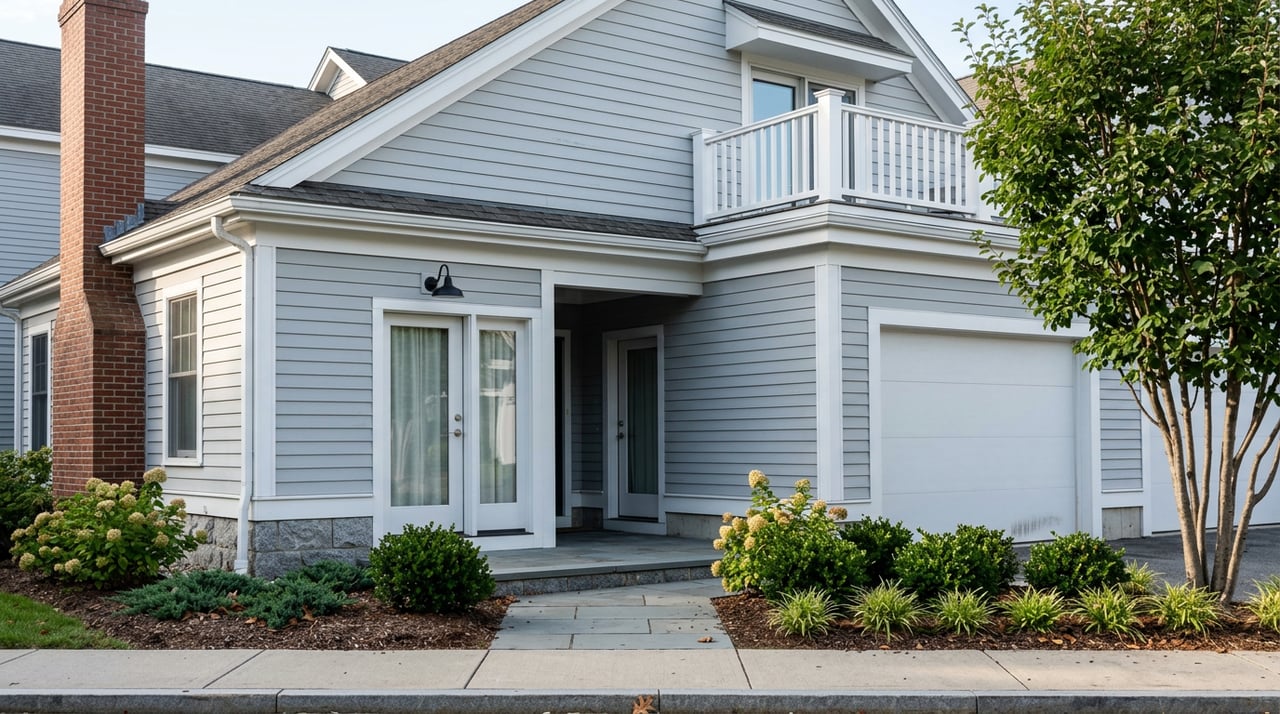
Townhomes often feel closer to single-family living. You get multiple levels, private entries, decks or small yards, and sometimes attached garages. The association still handles most exterior work and common areas. Communities with clubhouses, pools, and tennis or pickleball courts often carry higher dues in exchange for those amenities.
Representative Peabody communities
Below are common examples to help you picture the options you will see while shopping. Details vary by unit, building condition, and association budget, so always verify specifics.
Cedar Pond Village
This large, amenity-rich townhouse-style community in South Peabody typically features multi-level layouts, a clubhouse, fitness room, pool, tennis courts, and walking paths. HOA fees often cover exterior maintenance, landscaping, snow removal, master insurance, and upkeep of shared spaces. If you want on-site recreation and low exterior upkeep, this style can fit well.
Huntington Woods and Foxwood Circle
Located in West Peabody, these planned townhouse clusters offer garages, decks, and a campus-like setting. Shared amenities can include a clubhouse, pool, and racket courts. Listings in similar communities often show HOA dues in the several-hundred-dollars-per-month range. Buyers choose these homes when they want a single-family interior feel without the yard work.
Maple Village Condominium
Closer to downtown, this mid-rise condo example illustrates a more compact, walkable lifestyle. Elevator access, assigned parking, and smaller monthly dues are typical of buildings with fewer amenities. If you prefer being near restaurants, the library, and everyday services, this format is worth considering.
Location shapes your lifestyle
Northshore Mall and Route 1 corridor
If you like drive-to convenience, proximity to the Northshore Mall puts shopping, dining, and medical services minutes away. The mall has expanded dining and a Promenade area that clusters services in one place. Read the general overview of the Northshore Mall for context.
Independence Greenway and trail network
For everyday walking or biking, the Independence Greenway runs through parts of Peabody and connects with other local trails. It is popular for low-impact exercise and dog walking. See the route and description on TrailLink’s Independence Greenway page. Regional transportation plans also note ongoing investment in first- and last-mile trail connections. You can scan the Boston-region TIP appendices for references to extensions and trail planning in the CTPS TIP documents.
Downtown Peabody
If you want a compact, walkable lifestyle, downtown condo living puts restaurants, events, and city services close by. The city has invested in Main Street and Central Street improvements, which support a lively town-center experience. For updates, check the City of Peabody’s website.
Quick commute note
Peabody sits about 15 to 20 miles north of Boston by road. There is no MBTA commuter-rail station in downtown Peabody, so many residents use nearby Salem or Beverly stations or drive via Route 128 and I‑95 depending on destination. For distance context, see this Peabody-to-Boston overview.
What HOA fees really buy you
- Maintenance trade-off: You shift exterior upkeep, landscaping, and snow removal to the association in exchange for a monthly fee. That saves time and the surprise of big exterior bills, but it adds a recurring cost.
- Amenities vs. dues: More amenities usually mean higher dues. Amenity-light buildings near downtown often have lower fees, while large communities with pools and clubhouses can be higher.
- Reserves and assessments: The strength of the association’s reserve fund matters. Thin reserves can lead to special assessments for big projects like roofs, siding, or elevators. Massachusetts condominium law outlines required documents and disclosures for buyers and owners. You can review the legal framework in Chapter 183A, Section 23.
- Insurance basics: Associations carry a master policy for common elements. You still need an HO‑6 policy for interior finishes, personal property, and liability. Ask your insurance agent to review the master policy so you do not double-pay for coverage.
Example monthly cost comparison
Here is a simple illustration to show how HOA dues and taxes fit into your monthly budget. These are examples only as of March 2026. Your lender, insurer, and the Peabody Assessor will provide actual numbers for your situation.
Example A: Regional-style condo priced at $470,000
- HOA: assume $450 per month in a mid-amenity building
- Property tax: using a mid-range effective rate of 0.9 percent, annual estimate is about $4,230, or roughly $353 per month
- Insurance: HO‑6 policy is typically less than single-family coverage; get a quote
- Total housing line to model each month: your mortgage principal and interest + $450 HOA + $353 taxes + your HO‑6 estimate
Example B: Single-family home priced at $650,000
- HOA: none
- Property tax: using 0.9 percent as a simple estimate, annual is about $5,850, or about $488 per month
- Insurance: single-family policy; get a quote
- Maintenance: plan for periodic roof, siding, and yard costs that occur outside the monthly bill
- Total housing line to model each month: your mortgage principal and interest + $488 taxes + single-family insurance + expected maintenance
The takeaway: Sometimes a condo’s HOA plus lower taxes and insurance can be similar to a single-family’s higher taxes and maintenance. Run the full math for your budget and add a buffer for future special assessments.
Smart buyer due-diligence checklist
Before you commit to a condo or townhome, request these items from the seller, listing agent, or association. Reviewing them with your attorney can help you avoid surprises.
- Master deed and bylaws
- Current budget and financial statements
- Most recent reserve study, if available
- Board meeting minutes for the last 12 to 24 months
- Certificate of insurance for the association’s master policy
- Owner-occupancy ratio and dues delinquency rate
- History of special assessments and list of planned capital projects
- Pet rules, rental restrictions, and parking rules
- Building access and move rules, including elevator reservation policies
Financing and insurance pointers
- Condo underwriting: Lenders often ask for association questionnaires, proof of adequate reserves, and evidence of master insurance coverage. If you are using retirement income to qualify, choose a lender experienced in condo loans.
- Rate and terms: Your rate depends on credit, reserves, and building approval. Shop lenders early and compare fees, not just the rate.
- Insurance alignment: Ask your insurer to align your HO‑6 coverage with the association’s master policy so you are not over- or under-insured.
Step-by-step downsizing plan
Pre-move planning
- Inventory and prioritize what to keep, then sell or donate the rest.
- Photograph valuables and measure key furniture to confirm it fits the new floor plan.
- Look for buildings with deeded storage or plan for a nearby climate-controlled unit.
Home selection and offer stage
- Confirm what the HOA fee covers, including water, heat, sewer, snow removal, landscaping, and master insurance.
- Ask about reserve levels, recent or planned special assessments, and any pending litigation.
- Check accessibility features like an elevator, first-floor bedroom, low-threshold showers, in-unit laundry, and garage or assigned parking.
- Review guest parking rules, pet policy, and whether rentals are allowed for future flexibility.
Closing and move logistics
- Coordinate the sale of your current home and your purchase to avoid unplanned gap housing; ask about rent-back options if needed.
- Hire movers familiar with condo requirements. Many buildings require elevator reservations and certificates of insurance for vendors.
After move-in
- Join the association, attend a meeting, and learn about upcoming projects. Knowing what is planned helps you budget and engage.
Financial planning reminders
- Model your full monthly cost: mortgage, HOA, taxes, insurance, and a cushion for assessments.
- Check taxes and exemptions with the Peabody Assessor and confirm the current rate. For context on effective tax rates, see ATTOM’s Property Navigator.
- Talk with a CPA and a financial planner before you sell, especially if sale proceeds or cash flow will affect your retirement plan.
Thinking about a move and not sure where to start? Reach out to the The North Shore and More Team at eXp for a local consultation tailored to your goals, timing, and budget.
FAQs
What do condos cost vs. single-family homes in Peabody?
- Regionally, North Shore REALTORS reported a May 2025 condo median around $470,000, while Peabody single-family and overall medians in public snapshots hovered in the mid six hundreds into early 2026. Always check current local reports for live numbers.
Will my property taxes drop if I move to a condo in Peabody?
- Not automatically. Taxes depend on assessed value and exemptions. Smaller units can mean lower bills, but confirm with the Peabody Assessor before you rely on a specific outcome.
Are HOA fees worth it for downsizers?
- It depends on your priorities. You trade time and exterior maintenance for a monthly fee and potential special assessments. Compare your full monthly cost and make sure the amenity package fits your lifestyle.
Which areas are best for walkability or convenience?
- Downtown Peabody favors walkability and services nearby. The Northshore Mall and Route 1 corridor offer drive-up convenience for errands. West and South Peabody communities often provide campus-style settings near trails and green space.
Is there a commuter-rail station in Peabody?
- No. Many residents use nearby Salem or Beverly stations on the Newburyport/Rockport line or drive via Route 128 and I‑95. Peabody is about 15 to 20 miles north of Boston by road.
What documents should I review before buying into a condo association?
- Ask for the master deed, bylaws, recent minutes, current budget, reserve study, master insurance certificate, and any assessment history. For legal context, review Massachusetts Chapter 183A, Section 23.