Thinking about a second home that also helps pay for itself? Gloucester on Cape Ann offers a classic New England setting with real vacation rental appeal. You want coastal access, a vibrant harbor scene, and the option to rent when you are not in town. In this guide, you will learn how seasonality works, what property types perform well, the rules to check, and the numbers to watch. Let’s dive in.
Why Gloucester works for second homes
Gloucester is a working harbor city with distinct neighborhoods and strong tourism draws. Visitors come for beaches like Good Harbor and Wingaersheek, the Rocky Neck arts district, whale-watching and fishing charters, and seasonal events such as St. Peter’s Fiesta. Nearby Rockport and Essex add day-trip options that broaden guest itineraries.
Summer is the key season. Demand is highest from late spring through early fall, with the strongest occupancy from Memorial Day to Labor Day. Proximity to Greater Boston and MetroWest, including Cambridge, Newton, and Framingham, fuels weekend and short-stay bookings, especially in the shoulder months.
Property types and locations
Single-family near beaches
Single-family coastal homes are popular for personal use and short-term rentability. Homes within walking distance or a short drive to beaches like Good Harbor or Wingaersheek typically command higher weekly rates in summer. Expect trade-offs such as higher maintenance and potential flood considerations for homes closer to the water.
Downtown condos and walkability
Condominiums in and near downtown put you close to the harborfront, restaurants, galleries, and wharf access. Walkability can support shoulder-season bookings and quick weekend stays. Review HOA rules carefully because many associations limit or prohibit short-term rentals.
Multifamily owner-occupied options
Two- to four-family homes are common in New England and can fit an owner-occupant strategy. You can live in one unit and rent others year-round or seasonally. This setup can provide steadier income while you enjoy your own unit.
Cottages and historic homes
Cottages, beach bungalows, and historic properties capture Cape Ann charm and can perform well in summer. Many need upgrades to support year-round use, like insulation, heating, or modernized systems. Budget for improvements that guests value and that simplify off-season use.
Views, access, and outdoor space
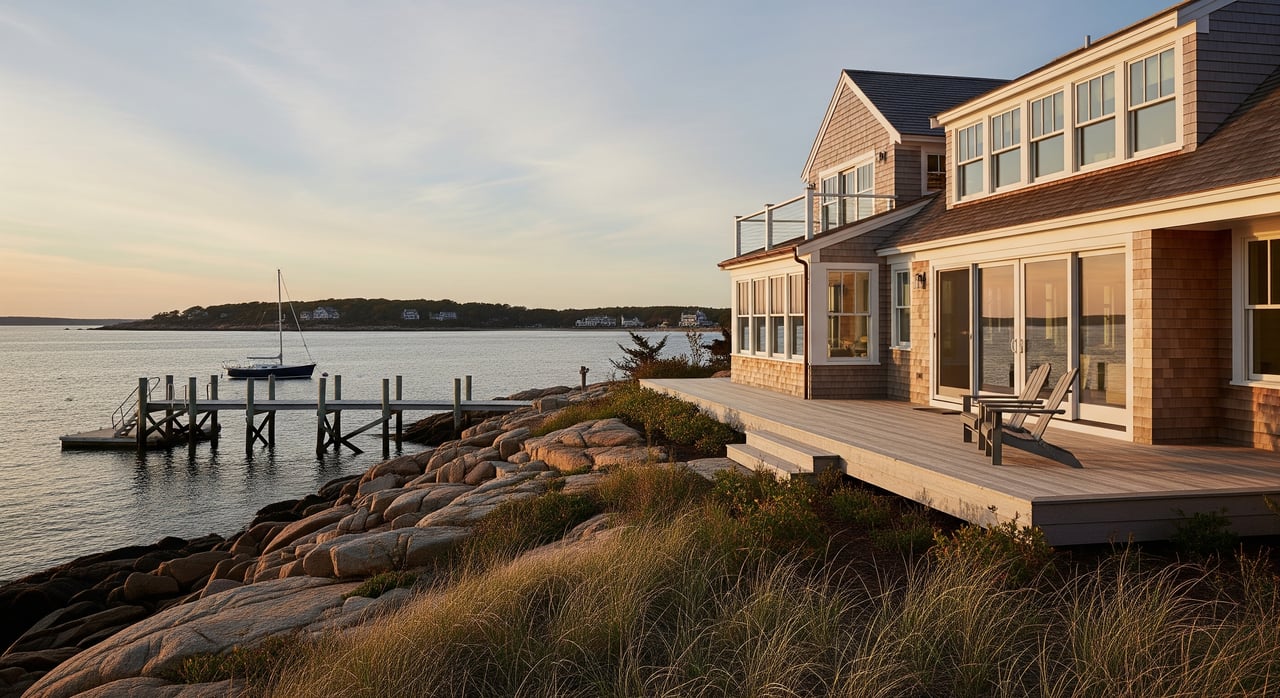
Properties with ocean or harbor views, decks, patios, and yards attract premium demand. Outdoor dining space and sunset views help listings stand out. Central locations can mean tighter parking or more noise, so weigh convenience against guest expectations.
Seasonality and demand
Peak, shoulder, and off-season
- Peak: Memorial Day through Labor Day brings the highest nightly rates and occupancy.
- Shoulder: Late spring and early fall can be strong around holiday weekends and events.
- Off-season: Late fall through early spring sees fewer short stays and lower nightly rates.
Short-term vs seasonal vs long-term
- Short-term nightly: Highest summer revenue but more turnover, cleaning, and platform fees. Rules can be stricter.
- Seasonal weekly or multi-week: Common on Cape Ann with May to September bookings. Lower turnover and simpler management.
- Year-round long-term: Steadier income with lower gross revenue than summer short-term, and less operational intensity.
Hybrid use strategies
Many second-home owners stay during select months and rent when away. A flexible calendar can optimize holidays and event weeks. If you plan to use the home often, model realistic occupancy and price around your blocked dates.
Rules, taxes, and protections
Local zoning and permits
Short-term and seasonal rental rules are local. In Gloucester and neighboring Cape Ann towns, requirements can include registration, inspections, and occupancy limits. Always confirm current rules with Gloucester’s planning and health departments before you buy.
Room occupancy taxes and income taxes
Rental income is taxable at federal and state levels, with allowable expense deductions. Massachusetts and some municipalities apply room occupancy or local excise taxes to short-term rentals. Confirm applicability and who collects and remits taxes with the Massachusetts Department of Revenue and local offices.
Flood risk and insurance
Coastal homes often need specialized coverage: homeowner’s insurance, umbrella liability, and flood insurance. Flood premiums depend on FEMA flood zone, elevation, and building characteristics. Lenders or insurers may require elevation certificates, mitigation steps, and winterization plans.
HOA and neighborhood considerations
Condo bylaws and HOA rules frequently limit short-term rentals or set minimum stays. Check for parking restrictions, nuisance ordinances, and waste rules that affect guest experience. Confirm any special assessments that could impact costs.
Economics: income and costs
What boosts rental income
- Walkability to beaches or downtown
- Water views and private outdoor space
- Off-street parking and clear check-in
- Modern amenities: AC, updated kitchen/bath, washer/dryer, reliable Wi-Fi
- Strong listing photos, reviews, and event/holiday pricing
Typical costs to plan for
- Property management: about 15% to 35% of revenue for short-term rentals depending on service scope
- Cleaning and turnover: varies by size and frequency of stays
- Utilities and supplies: Wi-Fi, streaming, linens, and consumables for guest-ready homes
- Maintenance and capital: higher near the coast for paint, decks, roofs, and HVAC
- Insurance and flood insurance: obtain quotes early
- Marketing and platform fees: listing commissions add up
- HOA fees, property taxes, and any local excise or occupancy taxes
Estimating returns and stress-testing
Use conservative assumptions outside peak months because seasonal markets can earn most revenue in 2 to 3 months. Compare short-term, seasonal-weekly, and long-term scenarios to gauge cash flow and workload. Stress-test for lower occupancy, increased insurance costs, and surprise maintenance.
Financing and acquisition notes
How you intend to use the property matters for your mortgage. Lenders often treat a true second home differently from a pure investment, with distinct down payment and rate terms. If you plan to live in one unit of a multifamily, different loan programs may apply. Share your rental plans with your lender early to confirm options.
Operations: running the rental
Professional manager vs self-management
A professional manager can handle guest communication, cleaning, inspections, and emergencies. That reduces your time burden but lowers net income due to fees. Self-management can work if you have systems for bookings, cleaning coordination, remote access, and 24/7 response.
Guest experience essentials
- Clear house rules, check-in instructions, and parking info
- Thoughtful amenities that match the season and local activities
- Reliable local vendors for cleaning, handyman needs, and winterizing
- A pricing plan for holidays, events, and last-minute weather swings
Buyer checklist and next steps
Use this quick checklist before you write an offer:
- Confirm Gloucester zoning and any short-term rental registration or inspections.
- Review HOA or condo bylaws for rental limits and minimum-stay rules.
- Pull FEMA flood maps and get flood and homeowner’s insurance quotes.
- Verify Massachusetts and local room occupancy tax obligations and collection.
- Run income estimates using short-term rental analytics and local MLS comps.
- Inspect systems for year-round use: insulation, HVAC, roof, foundation, and sewer or septic.
- Evaluate summer parking and access; limited parking can depress bookings.
- Get lender pre-approval that matches your intended use: second home or investment.
Gloucester can deliver a great mix of lifestyle and rental income if you match the right property to the right strategy. Focus on location, confirm the rules, model conservative returns, and invest in guest-ready features. If you want local guidance from search to setup, the The North Shore and More Team at eXp is here to help you compare options and plan your next steps.
FAQs
What should I know about Gloucester short-term rental rules?
- Rules are local and can include registration, inspections, and occupancy limits. Confirm current requirements with Gloucester’s planning and health departments before buying.
How much can a Gloucester vacation rental earn in summer?
- Income varies by location, size, and amenities. Use short-term rental analytics and local MLS comps to estimate realistic rates, occupancy by month, and annualized revenue.
What insurance do I need for a coastal second home?
- Plan for homeowner’s insurance, umbrella liability, and likely flood insurance. Premiums depend on flood zone and elevation, so get quotes early and ask about mitigation.
How do Massachusetts room occupancy taxes work for short stays?
- Massachusetts and some municipalities impose room occupancy or local excise taxes on short-term rentals. Confirm applicability and who must collect and remit with MA DOR and local offices.
Should I hire a property manager for a Gloucester rental?
- A manager reduces your workload by handling turnovers and guest support but takes a fee, often 15% to 35% of revenue. Self-management can work if you have reliable systems and local vendors.
How does financing differ for a second home vs an investment?
- Lenders classify loans based on your intended use. Second homes and investment properties have different terms and down payment requirements. Share your rental plans with your lender early.