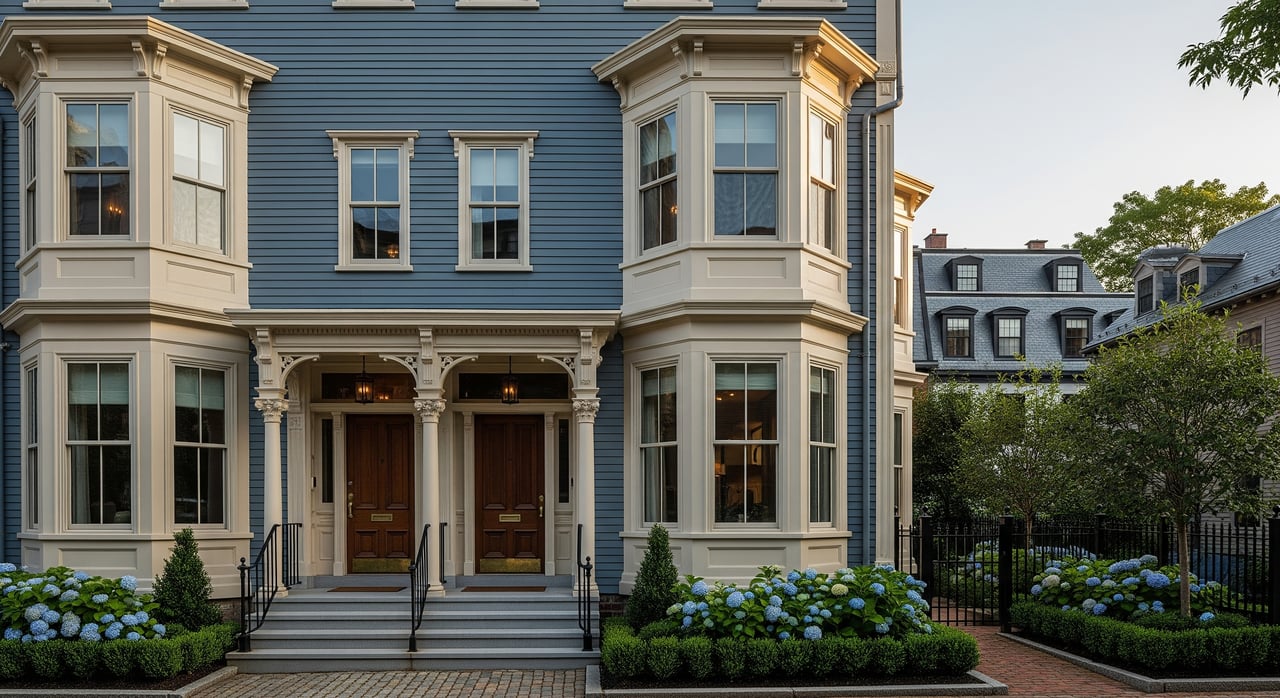
Want to live in Salem and have your neighbors help pay the mortgage? House hacking a duplex or triplex can make that possible. If you plan to buy on the North Shore, you’ll find plenty of older two- and three-family homes that fit this model. In this guide, you’ll learn the local basics for Salem and nearby communities so you can move forward with clarity and confidence. Let’s dive in.
What house hacking means in Salem
House hacking is when you buy a small multi-family property, live in one unit, and rent the others. In older New England cities like Salem, you’ll see many legal two- and three-family buildings, especially near transit corridors and established neighborhoods. That existing housing stock makes duplexes and triplexes a practical entry point for owner-occupants.
Location and demand matter. Proximity to downtown Salem, MBTA commuter rail access, Salem State University, and major employment centers influences rent levels and vacancy. Seasonality can also play a role in tenant demand. Historic-district designations are common in Salem, and those can limit exterior changes or additions, so factor that into renovation plans.
Start with the legal unit status
Confirm zoning and permitted use
Before you fall in love with a property, confirm the zoning district and permitted uses. Salem’s zoning ordinance and map determine whether 2- or 3-family dwellings are allowed as-of-right or require a special permit. These rules also set parking, lot coverage, and setback requirements that affect what you can change later.
If the property sits in a historic district, exterior changes may require approval from the Historic Commission. Connect with Salem’s Building and Zoning Departments to verify the property’s current use and what future projects are allowed.
Verify legal multi-family status
A building must be a legal multi-family for financing, insurance, and safe operation. Ask the seller for certificates of occupancy, past permits, and any conversion documentation that shows the permitted unit count. Distinguish legal multi-families from informal or unpermitted conversions, which can derail loans and require costly corrections.
Safety and building code essentials
Expect Massachusetts building code requirements that protect residents in multi-unit homes. Common items include:
- Fire separation between units and compliant means of egress
- Hard-wired, often interconnected smoke and carbon monoxide alarms
- Adequate electrical, plumbing, and heating systems for the unit count
- Minimum habitable room sizes and sanitary facilities
Older properties can trigger required upgrades, such as increasing electrical service or addressing outdated wiring. Lenders and insurers may require corrections before closing.
Lead paint and health rules
If the building was built before 1978, Massachusetts lead law applies when you rent to households with children under 6. As the landlord, you must ensure lead-safe conditions and maintain documentation that shows compliance. Plan for inspections and remediation as part of your due diligence and budget.
Short-term rentals
If you are considering short-term rentals, review Salem’s local registration, safety, and tax rules first. Many municipalities regulate short-term rentals, so verify what is allowed at the property and what approvals are needed.
Financing options for 2–3 units
Owner-occupied loan programs to know
- FHA loans: Allow financing for 1–4 unit properties when you occupy one unit as your primary residence. FHA often permits lower down payments for qualified borrowers and can consider projected rental income from other units, subject to lender rules.
- VA loans: Qualified veterans can use VA loans for 1–4 unit owner-occupied properties with similar occupancy requirements.
- Conventional loans: Fannie Mae and Freddie Mac support 2–4 unit owner-occupied mortgages, usually with higher down payment and reserve expectations than single-family loans. Lenders verify rental income through current leases or market rent analysis.
- Portfolio and local-bank loans: Local lenders sometimes offer flexible terms tailored to small multi-family properties in markets like Salem.
- Renovation loans: If a property needs work, consider products that roll rehab costs into the loan.
Underwriting expectations
Most favorable programs require you to occupy a unit as your primary residence, often within 60 days of closing, with the intent to stay for at least 12 months. Expect more stringent cash reserve requirements than a single-family purchase. Lenders may count a portion of rental income from the other units, often based on current leases or market rent analysis to account for vacancies and expenses. Appraisals must use multi-family comparables, which can influence value and timelines.
How to prep your file
Work with a lender who regularly underwrites 2–4 unit, owner-occupied loans. Gather copies of existing leases and utility bills and pull market rent comps for vacant units. If the building needs updates, get contractor estimates early and discuss renovation loan options with your lender.
Cash flow, taxes, and insurance
How rental income is taxed
You will report rental income and expenses at the federal and state level. Typical deductible expenses include mortgage interest, property taxes, insurance, utilities you pay, repairs, property management, and depreciation. Massachusetts taxes net rental income, so plan for state filings. A CPA can help you model depreciation and keep records aligned with your ownership and renovation timeline.
Property taxes and assessments
Property taxes are a major line item in your cash flow. Check the Salem Assessor for the current assessed value and tax rate. Watch for revaluations or changes that can affect your monthly budget, especially if you plan to appeal assessments or make improvements.
Insurance for owner-occupant multi-family
Standard homeowners insurance usually does not cover tenant-occupied units. You will likely need a landlord or dwelling-fire policy, or an owner-occupant landlord endorsement, that matches the multi-unit risk. Consider enhanced liability coverage given the higher daily traffic from tenants and guests. Your lender will require sufficient coverage in place before closing.
Cash-flow modeling basics
Build your numbers with conservative assumptions. Separate gross rent from net operating income, and include realistic vacancy, maintenance, insurance, taxes, utilities, and capital reserves. Identify if units are separately metered, and if not, decide how you will allocate utility costs. Make sure you can comfortably carry the mortgage during turnover or repair periods.
Your step-by-step plan
- Clarify goals and budget. Decide what you want from house hacking: lower monthly costs, long-term appreciation, or a path to future investments.
- Get pre-approved with the right lender. Choose a lender experienced with owner-occupied 2–4 unit properties and share your plan upfront.
- Focus your search on legal duplexes and triplexes. Request certificates of occupancy and past permits early. Confirm zoning and any historic-district reviews.
- Analyze rents and expenses. Use realistic rent comps, ask for recent utility bills, and verify whether utilities are separately metered.
- Write offers with smart contingencies. Include financing and inspection contingencies and allow time to verify permits and lead law requirements.
- Inspect thoroughly. Order a full home inspection and add specialists if needed, such as lead, pest, or mold. Prioritize safety items like egress and smoke/CO systems.
- Support the appraisal and underwriting. Provide leases, rent comps, and contractor estimates. Expect the appraisal to focus on multi-family comparables.
- Set up compliance. Install any required smoke/CO detectors, address lead hazards, and confirm code items with the local building department.
- Prepare leases and deposits correctly. Use written leases that comply with Massachusetts law, handle security deposits according to state rules, and track income and expenses.
- Move in and manage. Occupy your unit within your loan’s timeline, then set up systems for rent collection, maintenance requests, and recordkeeping.
Red flags to watch
- Unpermitted units or missing certificates of occupancy
- Attic or basement apartments that do not meet egress or sanitary standards
- Shared utilities with no clear allocation plan or billing history
- Historic-district exteriors that limit necessary repairs or future additions
- Deferred maintenance on roofs, heating systems, or electrical panels
- Tenant issues that affect cash flow or legal compliance
- Overly optimistic rent assumptions that ignore seasonality or vacancy
Local notes for nearby markets
Much of the legal and lending framework described here applies across Massachusetts, including Cambridge, Newton, Framingham, and other Essex County communities. That said, zoning allowances and review processes can vary by city. Older housing stock is common across the region, which makes code verification, lead compliance, and historic considerations important in many neighborhoods. As you compare options, confirm each property’s zoning, legal unit count, and any local licensing requirements.
Next steps and who to contact
- Salem Building Department and Zoning Office: Verify legal unit count, prior permits, and permitted uses.
- Salem Assessor and Essex County Registry of Deeds: Review property records, tax assessments, and ownership history.
- Historic Commission: If the property is in a historic district, review exterior change requirements.
- Massachusetts Department of Public Health: Learn what the lead law requires for landlords and how to document compliance.
- Massachusetts Trial Court Housing Court and MassLegalHelp: Understand landlord-tenant procedures, security deposit rules, and timelines.
- Lenders and inspectors with 2–4 unit experience: Line up financing and inspections tailored to small multi-family properties.
Ready to map your plan or screen a specific property? Connect with the local team that understands North Shore multi-family housing and owner-occupant strategies. Reach out to the The North Shore and More Team at eXp for a no-pressure conversation about financing paths, legal checks, and next steps.
FAQs
Can I use FHA or VA to buy a Salem duplex and live in one unit?
- Yes. FHA and VA allow financing for 1–4 unit properties when you occupy one unit as your primary residence. Confirm current loan limits, documentation, and timing with your lender.
How do I confirm a duplex or triplex is legal in Salem?
- Ask for certificates of occupancy and past permits, then verify with the Salem Building Department. Legal status affects financing, insurance, and code compliance.
Do I need separate electric or gas meters for each unit?
- Not always. Separate meters simplify billing and may be required in some conversions, but shared utilities can work if you understand costs and disclose the arrangement. Lenders may have preferences, so ask early.
What tenant protections and deposit rules apply in Massachusetts?
- Massachusetts has detailed landlord-tenant laws covering habitability, security deposits, notice, and eviction procedures through the courts. Follow state rules on deposit handling and documentation.
How much of the rent will my lender count toward my mortgage approval?
- Lenders typically count only a portion of rental income and require documentation, such as existing leases or market rent analyses, to account for vacancy and expenses. Ask your lender what they will allow.
Should I self-manage or hire a property manager for a duplex?
- Self-management can lower costs but requires time and knowledge of Massachusetts landlord-tenant law. A property manager adds expense but can streamline leasing, maintenance, and compliance for busy owner-occupants.