Looking for steady North Shore cash flow without inner-Boston prices? Lynn’s mix of classic multi-family stock, waterfront access, and restored commuter rail service makes it a compelling place to invest. You want real numbers and a clear process so you can compare deals with confidence. In this guide, you’ll learn what types of buildings to expect, how rents and cap rates typically pencil out, and a step-by-step framework to underwrite your first or next Lynn property. Let’s dive in.
Why Lynn draws investors
Lynn is a North Shore city just north of Boston with an estimated population of about 103,489 as of July 2024, which provides a strong local renter base. You also get proximity to Boston without core-city pricing. For context on size and location, review the city’s latest figures on Census QuickFacts.
Transit access is a big driver. The MBTA Newburyport/Rockport line restored service to Lynn with an interim station in December 2023. Trains typically run about every 30 minutes on weekdays and hourly on weekends, improving access to North Station and supporting demand for walkable, downtown units near the platform. You can see details on the reopening from local coverage of the Lynn commuter rail station.
Public investment is another positive. The Boston Region MPO’s TIP and city project lists include funding for improvements like Essex Street rehabilitation, Safe Streets multimodal upgrades, and Western Ave work. These projects support walkability and multi-modal access, which can translate to stronger long-run rent growth. Explore the MPO’s TIP program and the City of Lynn’s civic and cultural resources to understand these drivers.
What properties you will find
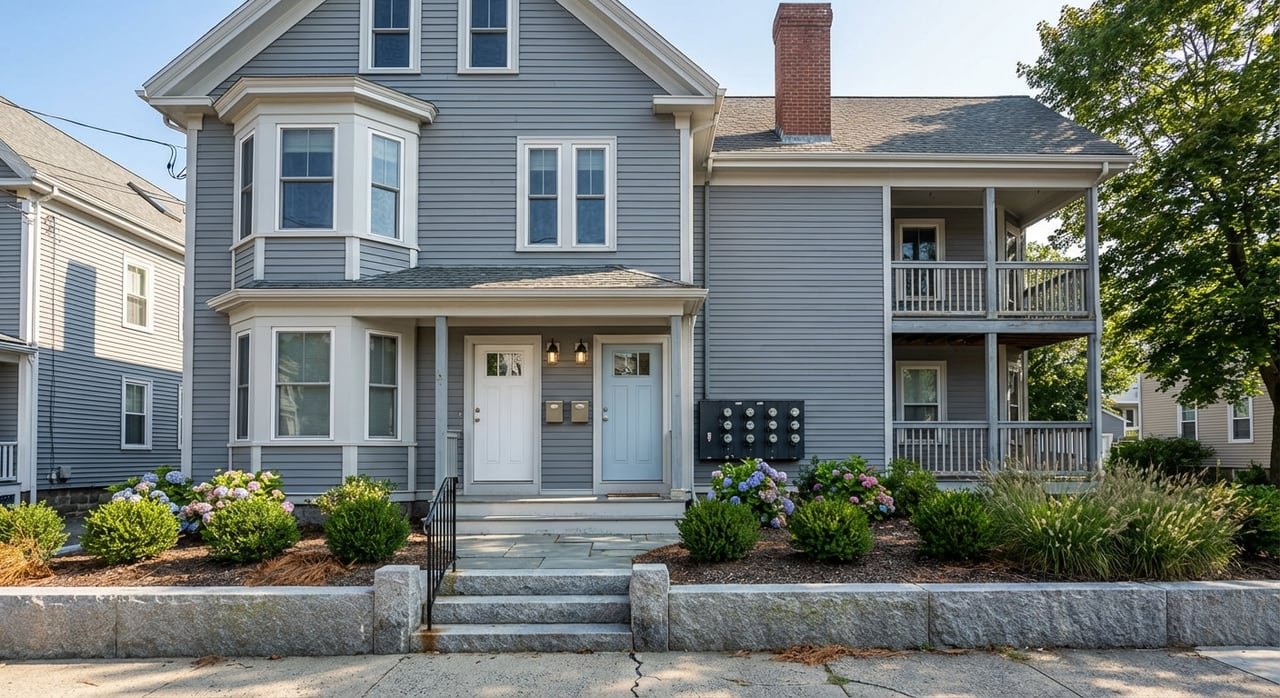
Much of Lynn’s small multi-family inventory consists of older wood-frame 2- and 3-family buildings, often called triple-deckers. You will also see small brick walk-ups and mixed-use properties in and around downtown, plus a handful of mid-rise and waterfront condo or apartment buildings near the shore.
Typical investor targets fall in the 2 to 12 unit range. Many buildings are decades old, so plan for capital improvements like roofs, boilers, electrical updates, and exterior maintenance. Buildings closer to downtown, the commuter rail, or the waterfront tend to lease faster and can command a premium.
What rents look like today
Rental trackers in early 2026 show Lynn’s median or average rents commonly reported in the range of about 2,100 to 2,600 dollars per month across unit types. One-bedrooms often land in the low to mid 2,000s and two-bedrooms in the mid 2,000s. Always confirm the latest readings and cross-check with live listings. See current trends on Zumper’s Lynn rent research.
Rents vary by neighborhood, property condition, parking, and proximity to transit or the waterfront. Downtown and shoreline locations often command premiums, while outer neighborhoods can be more value oriented.
Pricing and cap rates to expect
Boston’s core multifamily assets often trade at lower cap rates, typically in the low to mid single digits. Smaller, local multi-family deals tend to sell at higher cap rates to reflect hands-on management and older building stock. Industry context for the Boston area has placed core assets around roughly 4.5 to 5 percent, with mid-market or small deals several hundred basis points higher depending on condition and location. For background, review this Boston commercial market overview.
For underwriting, avoid applying downtown Boston cap rates to Lynn. Use North Shore comps, talk to local brokers, and underwrite a realistic expense load for older properties. The right cap rate range depends on a property’s condition, unit mix, and proximity to transit or the waterfront.
Analyze a deal step by step
Use this checklist to bring discipline to your underwriting.
1) Set realistic market income
- Gather current market rents by bedroom type from active listings and rental trackers. Factor in neighborhood premiums near the MBTA station or waterfront. Start with advertised rents, then verify against the seller’s rent roll and recent leases. See patterns on Zumper’s Lynn rent research.
2) Calculate effective gross income (EGI)
- Gross Scheduled Rent (GSR) is all units at market rents. Subtract vacancy and credit loss to estimate EGI. A common starting range is 3 to 8 percent depending on season and building location.
3) Estimate operating expenses
- Include property tax, insurance, management, owner-paid utilities, repairs and maintenance, landscaping, admin, trash, and reserves for capital expenses like roofs or heating systems. Small multi-family expense ratios often run higher than institutional averages due to older stock and fewer economies of scale. Check the Lynn Assessors for tax references and practices on the Assessors page.
4) Compute NOI and valuation metrics
- Net Operating Income (NOI) equals EGI minus operating expenses.
- To estimate value, divide NOI by a cap rate that reflects Lynn’s submarket and the property’s condition. Cross-check with comps by price per unit, gross rent multiplier, and price per square foot. For context on cap rate tiers, see the Boston commercial market overview.
5) Model debt and returns
- Build a debt service schedule based on loan size, rate, amortization, and fees. Debt Service Coverage Ratio (DSCR) equals NOI divided by annual debt service. Lenders commonly look for DSCR above about 1.20 to 1.35 on small multifamily, though requirements vary.
6) Run sensitivities and hold plan
- Stress test vacancy, rent growth, expense inflation, and capital needs. Note long-run demand drivers like commuter rail frequency, downtown improvements, and waterfront amenities. Consider zoning or up-zoning possibilities where applicable.
7) Complete due diligence
- Review rent rolls, leases, utility bills, tax bills, insurance history, certificates and inspections, and any known hazards associated with older buildings. Confirm zoning and permitted uses, and check for outstanding code issues. The City of Lynn’s departments, including Inspectional Services and Assessors, can be found at lynnma.gov.
Simple Lynn example
Below is an illustrative example to show how the math connects. Insert verified income, expense, and loan terms for any real property you consider.
- 6-unit building with example Lynn-level rents:
- 3×1BR at 2,150 dollars
- 2×2BR at 2,450 dollars
- 1×3BR at 2,850 dollars
- Monthly gross = 14,200 dollars, annual scheduled = 170,400 dollars
- Vacancy and credit loss at 5 percent = minus 8,520 dollars
- Effective Gross Income (EGI) ≈ 161,880 dollars
- If operating expenses are modeled at 40 percent of EGI, op ex ≈ 64,752 dollars
- NOI ≈ 97,128 dollars
- If purchase price = 1,300,000 dollars, implied going-in cap rate ≈ 7.5 percent
Next, test DSCR and cash-on-cash using your actual loan terms. Sensitivity test rent and expense assumptions to see how your returns hold up.
What boosts long-term value
Transit access
Transit proximity is often capitalized into rents and values. Research across U.S. metros has documented a measurable premium for transit-oriented locations, and Lynn’s restored station with frequent service is a direct demand catalyst. For background, see this review of transit-oriented development premiums and local service detail on the Lynn commuter rail station reopening.
Downtown and waterfront
Short walks to restaurants, cultural venues, and shops can reduce vacancy and support higher rents over time. Waterfront and water-view homes often carry a documented premium as well. Academic work shows a distance-related benefit for coastal and water-view properties, though you should weigh flood and insurance costs in underwriting. See a recent overview of coastal proximity premiums and risk, and track city projects and amenities at lynnma.gov.
Local process and team
Before closing, contact key municipal offices to avoid surprises.
- Assessors: Confirm tax history, current assessments, and likely changes. Start at the Lynn Assessors page.
- Inspectional Services: Verify certificates, inspection history, and any open code issues via lynnma.gov.
Build a North Shore-savvy team for small multifamily deals:
- Local broker for MLS PIN comps and deal flow
- Massachusetts real estate attorney with landlord-tenant experience
- Licensed inspector and trades contractors for older systems
- Property manager with Lynn experience if you will not self-manage
- CPA familiar with Massachusetts treatment for small-property depreciation
Also confirm title exceptions for municipal liens and review flood zone and insurance availability if the property is near the coastline.
Action plan to get started
- Define your target: unit count, location, condition, and budget.
- Pull live rent comps and set a conservative income range.
- Pre-underwrite several addresses with realistic expenses.
- Walk buildings near the station, downtown, and the waterfront to compare premiums.
- Line up lending options and estimate DSCR and cash-on-cash.
- Complete thorough due diligence, including inspections and municipal checks.
- Decide on a value-add plan and property management approach.
Ready to explore active opportunities or pressure-test your underwriting? Connect with The North Shore and More Team at eXp for hyperlocal guidance and investor-minded representation.
FAQs
What building types should investors expect in Lynn?
- Mostly older 2- and 3-family wood-frame homes, plus some small brick walk-ups and downtown mixed-use buildings. Expect to plan for capital improvements due to the age of the housing stock.
How much rent can a 1- or 2-bedroom achieve in Lynn?
- Recent trackers often show one-bedrooms in the low to mid 2,000s and two-bedrooms in the mid 2,000s. Always confirm with current listings and the latest data on Zumper’s Lynn rent research.
Does proximity to the commuter rail affect returns in Lynn?
- Yes. Transit access is a documented value driver and Lynn’s restored station with frequent service increases demand for walkable units. See local coverage of the Lynn commuter rail reopening.
How do taxes and expenses impact cash flow on small multifamily in Lynn?
- Older buildings often carry higher expense ratios due to maintenance and utilities. Always verify tax bills and assessment practices with the Lynn Assessors, and include reserves for future capital work.
Where can you verify permits, inspections, and code history in Lynn?
- Start with Lynn’s Inspectional Services and related departments listed on lynnma.gov. Request certificates, inspection histories, and information on any open code issues before closing.