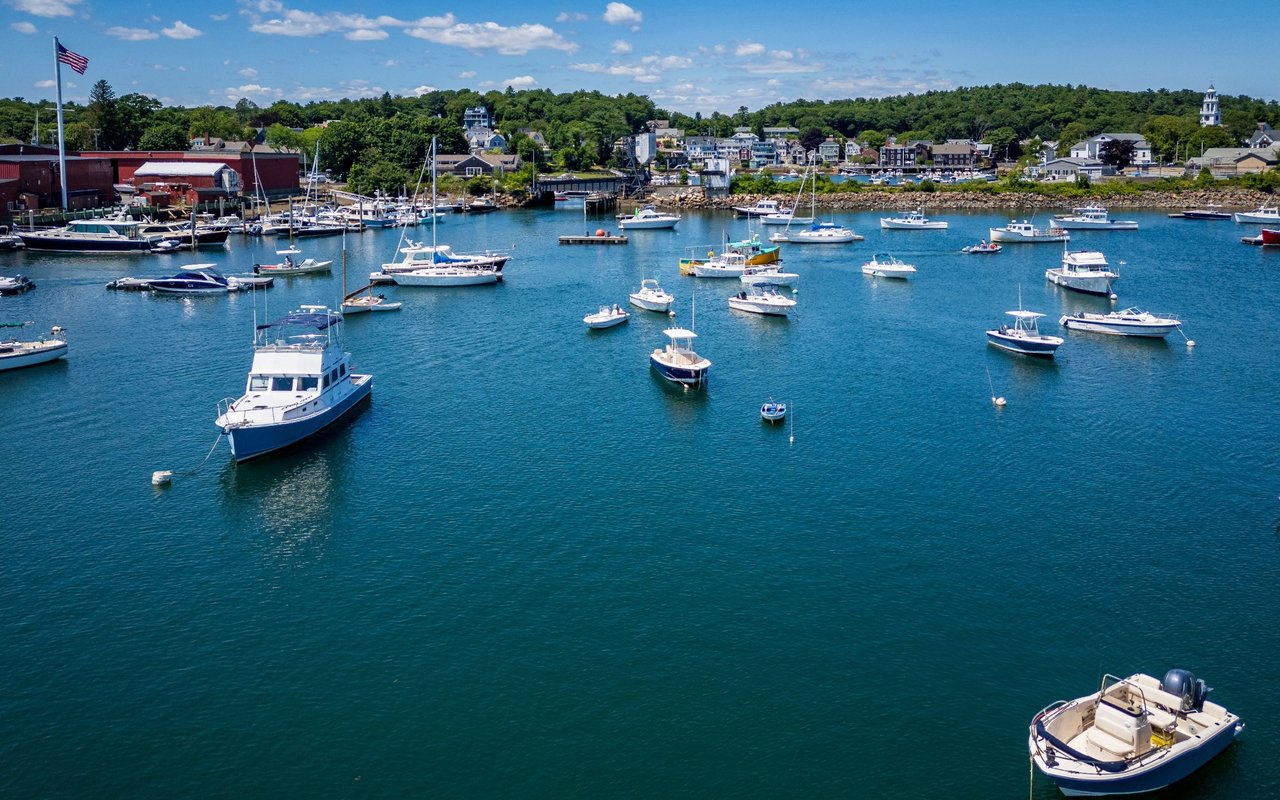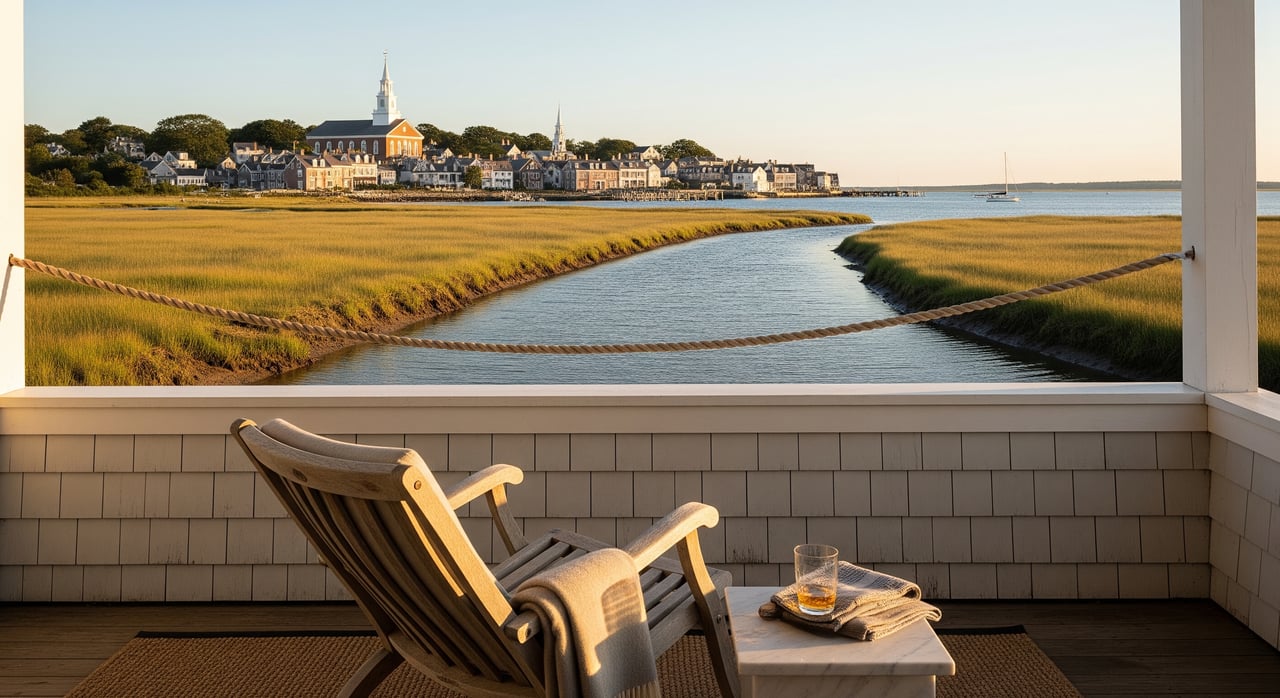
Thinking about Ipswich but torn between easy walk-to-town living and the salt-air magic of the coast? You are not alone. Many Boston-area buyers weigh beach access against commuter convenience and everyday errands when they narrow down neighborhoods. In this guide, you will see how coastal coves compare with in-town areas on lifestyle, housing, commuting, outdoor recreation, and due diligence. Let’s dive in.
What “coastal coves” mean in Ipswich
Ipswich’s coastal coves sit along the Atlantic and near the mouth of the Essex River and Plum Island Sound. You will find sweeping water views, dunes, and a quiet-to-busy seasonal rhythm. Summer brings more activity as beachgoers arrive, while winter feels peaceful but more exposed to coastal weather.
Daily life is beach-forward here. You may plan days around the tide, store paddleboards and beach gear by the door, and host sunset hangs on decks built for views. Retail is not right on the sand, so you will drive a few minutes into town for groceries, restaurants, and services.
What in-town neighborhoods offer
In-town Ipswich centers on walkability. You can stroll to cafés, shops, schools, Town Hall, and the Ipswich MBTA commuter-rail station. Streets feature historic architecture, smaller lots, and year-round energy with community events and local dining.
If you want simple commuting and everyday convenience, in-town living makes a strong case. You trade bigger yards for proximity to essentials. Many buyers love the steady, less seasonal feel compared with beachfront areas.
Lifestyle tradeoffs at a glance
- Activity rhythm:
- Coastal coves: Quiet winters, lively summers with visitors and beach traffic.
- In-town: Steady, year-round pace with weekend visitors, especially for dining and events.
- What you see and do:
- Coastal coves: Ocean views, dunes, daily beach walks, tides and weather shaping your routine.
- In-town: Coffee runs by foot, quick errands, parks, and community gatherings within minutes.
- Maintenance feel:
- Coastal coves: Salt air and storms add wear to paint, metals, and systems.
- In-town: Fewer salt-related concerns, but older homes and historic districts can add project planning.
Housing types and price positioning
Coastal coves feature single-family cottages, classic beach homes, and newer builds designed around views and elevation. You will also see seasonal cottages converted to year-round use, plus some homes on pilings or raised foundations. Direct ocean proximity and walk-to-beach locations often command a premium due to scarcity and demand.
In-town neighborhoods mix historic single-family homes, smaller-lot family houses, duplexes, and some condos or in-fill new builds. Prices span a wider range because you have both modest options and high-value historic properties on desirable streets. Buyers who prioritize schools, walkability, and commuting convenience often zero in here.
Keep two dynamics in mind. First, inventory near the water is limited, so coastal buyers should expect competition. Second, renovation and maintenance can cost more on the coast and along marshes due to corrosion, elevation needs, and flood-proofing. Factor total ownership costs into your plan.
Commuting and getting around
Ipswich has an in-town MBTA station on the Newburyport branch of the Newburyport/Rockport Line. MBTA schedules and station details outline typical travel times, which are generally under or around an hour to North Station depending on the train. If you plan to drive and park at the station, check current parking rules and availability.
For drivers, Ipswich connects to Route 1A with access to Route 1 and I‑95/Route 128 by short drives. Commute times vary by traffic and route. Local roads near the coast can be narrower and see more summer-season congestion, while in-town streets offer direct access to services.
Cycling is popular for in-town errands and some riverside rides. From more distant coastal streets, biking to everyday destinations is less practical due to distance and road design.
Beach and outdoor access
Crane Beach and the Crane Estate are headline attractions managed by The Trustees of Reservations. Crane Beach offers long sandy walks, swimming, and seasonal lifeguards, while Castle Hill on the Crane Estate features sweeping grounds, carriage roads, and tours. Parking and fees are managed by the Trustees and can be capacity limited, especially in peak months.
If you love birding, fishing, or long shoreline stretches, Plum Island and the Parker River National Wildlife Refuge are close enough for regular visits. The surrounding Great Marsh brings tidal creeks and rich wildlife habitat, a major draw for kayakers and nature lovers. Riverfront access varies by property, and any docks or moorings are subject to permits and tidal rules.
In-town residents still enjoy plenty of green space, short drives to the beach, and community parks. The combination of shops, schools, and the MBTA within walking distance makes it easy to balance recreation with daily routines.
Risks and due diligence to prioritize
Flood risk is the top due-diligence item for coastal and marsh-adjacent homes. Start by checking FEMA Flood Insurance Rate Maps through the FEMA Map Service Center. Flood insurance may be required by your lender based on a property’s zone. If the seller has an elevation certificate, review it to understand risk and insurance implications.
If you are near wetlands, beaches, or marshes, local and state regulations matter. Work with the Town’s Conservation Commission process and confirm limits on expansion or site work under the Massachusetts Wetlands Protection Act and local bylaws. The Town of Ipswich site is your hub for departments like Conservation, Planning, and the Board of Health.
Historic district rules can affect exterior updates in many in-town areas. Ask about any district boundaries, design guidelines, or review steps before planning a renovation. These rules help preserve character, but they can add time to project approvals.
Utilities vary by location. In-town homes are more likely to have municipal water and sewer. Some coastal or outlying properties use private wells and septic systems, so you should verify system age, permits, and maintenance history with the appropriate town departments.
Maintenance and insurance are different on the coast. Salt exposure can shorten the life of paint, metals, and HVAC systems. Ask sellers for service records, any post-storm repairs, and whether mitigation features such as storm shutters, raised utilities, or flood vents are in place.
Parking and seasonal rules may shape daily life near Crane Beach and Plum Island. Confirm local parking policies before you commit, especially if you plan to host guests in peak months.
Who each area tends to fit
- Beach-first weekender or remote worker: If daily walks on Crane Beach and salt-air sunsets are your top priorities, coastal coves put you closest to what you love. You will trade some year-round bustle and maintenance for views and instant access.
- Commuter seeking walkability: If you want to catch the train by foot, grab dinner without moving the car, and keep school and activities nearby, in-town neighborhoods deliver. You trade bigger yards for convenience and steady community energy.
- Boater and birder: If paddling creeks, spotting shorebirds, and exploring tidal waters define your weekends, a marshside or river-adjacent pocket could be a great match. Do your homework on flood zones, docks, and permitting before you buy.
A simple checklist to choose with confidence
Use this quick walk-through as you compare properties:
- Commute test
- Time your route to the MBTA station or highways during a typical weekday. Review MBTA train schedules for peak and off-peak options.
- Flood and elevation review
- Check the FEMA flood maps for the property’s zone, request any elevation certificate, and get preliminary insurance quotes if needed.
- Sewer or septic
- Confirm municipal sewer or private septic. If septic, ask for permits, age, inspections, and any upgrades required by the Board of Health.
- Conservation and historic constraints
- For coastal or marsh-adjacent parcels, contact the Conservation office to understand buffers and permitted work. For in-town historic homes, learn the exterior review process.
- Maintenance and materials
- Ask for maintenance records, storm repairs, and details on coastal-grade materials. Budget for salt-air wear if you are close to the water.
- Dock, mooring, and navigability
- If boating matters, verify permits, rights, tidal restrictions, and depth. Walk the site at both high and low tides.
- Parking and seasonal realities
- Near Crane Beach and Plum Island, review seasonal parking rules and guest options. Consider summer traffic patterns.
- Lifestyle fit
- If you crave dunes, views, and quiet winters, lean coastal. If you want cafés, schools, and rail by foot, lean in-town. If birding and paddling call you, target marshside spots and consult groups like Mass Audubon to learn about local habitats.
The bottom line
Ipswich gives you two strong choices. Coastal coves bring ocean views, sand, and nature at your door, with more seasonal rhythms and specialized upkeep. In-town neighborhoods deliver walkability, community amenities, and the simplest commute.
If you want help weighing tradeoffs at a specific address, our team can guide you through flood maps, permitting, maintenance considerations, and value. Reach out to The North Shore and More Team at eXp for local, step-by-step support that puts your lifestyle first.
The North Shore and More Team at eXp
FAQs
What makes Ipswich’s coastal coves different from in-town areas?
- Coastal coves focus on ocean views and beach access with a busier summer season, while in-town areas emphasize walkability, year-round convenience, and quick access to shops and the MBTA.
How long is the train ride from Ipswich to Boston?
- Typical commuter-rail travel times to North Station are under or around an hour depending on the schedule, so check the latest MBTA Newburyport Line timetable.
Will I need flood insurance for a coastal or marshside home in Ipswich?
- Possibly, based on FEMA flood zones and lender rules; confirm through the FEMA Map Service Center and discuss options with your insurer.
How is beach access managed at Crane Beach and Castle Hill?
- The Trustees of Reservations manage parking, fees, and access at Crane Beach and Castle Hill, and capacity can be limited in peak season.
Where can I learn about conservation or historic district rules in Ipswich?
- Start with the Town of Ipswich for Conservation and Planning information, then verify any project or exterior changes with the appropriate town boards.