If you are torn between Manchester-by-the-Sea and Marblehead, you are not alone. Both North Shore towns offer coastal scenery, historic character, and a competitive housing market, but they live very differently day to day. If you want to know which town better fits your commute, housing goals, and waterfront lifestyle, this guide will help you compare the details that matter most. Let’s dive in.
Two coastal towns, two distinct lifestyles
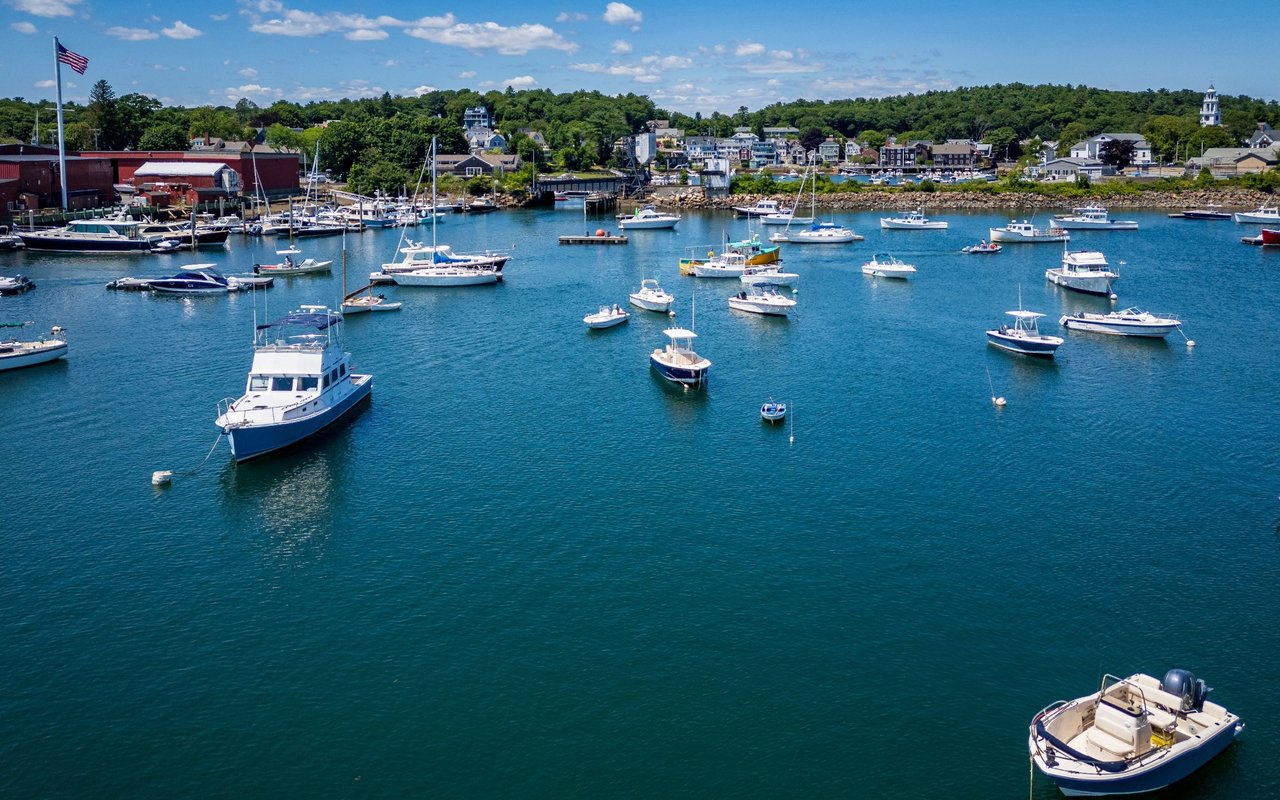
Manchester-by-the-Sea and Marblehead are both established coastal markets on the North Shore, and both come with limited inventory, older housing stock, and premium pricing. At a high level, Manchester-by-the-Sea is known for its residential seaside setting, harbor, beaches, and direct commuter rail access to Boston, while Marblehead is known for its harbor, colonial-era homes, downtown shops and restaurants, and multiple public beaches.
The biggest difference for many buyers is how each town feels in daily life. Manchester-by-the-Sea is more centered around a compact village core with the train station built into the pattern of downtown. Marblehead offers a broader harbor-town experience with several waterfront areas and a more distributed, neighborhood-based feel.
Home prices and housing stock
Manchester-by-the-Sea housing profile
Manchester-by-the-Sea tends to sit at the higher end of the North Shore coastal market. According to the town’s Housing Production Plan, almost half of the housing stock predates World War II, the median unit size is 6.9 rooms, and about 40 percent of homes have eight or more rooms.
That same report shows a strong luxury tilt. It states that 59 percent of single-family homes were valued above $700,000 and 31 percent were valued above $1 million. More recent data from the Massachusetts Association of Realtors, cited in the January 2026 market snapshot, reported a median single-family sales price of $1.275 million, with just 6 homes for sale, 1.5 months of inventory, and 5 closed sales.
For buyers, that usually means two things: very limited selection and a market that can move sharply from month to month because the number of sales is small. If you want a higher-end home near the coast and are comfortable acting quickly when the right property appears, Manchester-by-the-Sea may line up with your search.
Marblehead housing profile
Marblehead is also expensive, but its market often offers a somewhat lower entry point town-wide. The town’s Housing Production Plan says single-family homes make up 77 percent of the housing stock, less than 3 percent of the stock was built since 2000, and most multifamily homes are older.
That same plan gives useful context for the lower end of the housing ladder, with a median condo price of about $342,500 and a median monthly rent of about $1,865 at the time of the report. More recent market snapshots showed a February 2026 median home sale price of $1.10 million and median listing price of $1.095 million, with 23 homes for sale. The report also notes that small sales volume can swing headline numbers, which is important to keep in mind when comparing months.
For many coastal buyers, Marblehead can feel like a market with a little more variety. You may still face tight inventory and strong pricing, but the range of housing options can appeal to buyers trying to balance waterfront access, historic charm, and budget.
Walkability and village feel
Manchester-by-the-Sea walkability
If your ideal day includes parking once, walking to the train, and staying close to a compact downtown, Manchester-by-the-Sea stands out. The town’s downtown vision plan describes a walkable mixed-use center anchored by the harbor, train station, and historic district.
A MAPC parking study cited by the town found that the downtown core is just under half a mile from end to end, or about a ten-minute walk, and the core retail area is about a five-minute walk end to end. The study area includes Town Hall, the library, Masconomo Park, the commuter rail station, and Singing Beach as part of the same compact pattern. For buyers who value a tidy village layout, Manchester-by-the-Sea offers a very clear structure.
Marblehead walkability
Marblehead is walkable too, but in a different way. Its Housing Production Plan notes that the town-center areas are the most suitable locations for new housing because they are walkable and connected to the Pleasant Street bus corridor and downtown businesses.
The same plan also notes that some parts of town, especially the Neck and shoreline areas, are more car-dependent and farther from bus stops. That creates a more neighborhood-driven pattern of daily life. Instead of one rail-centered downtown core, Marblehead gives you several pockets of activity and waterfront access that may feel more spread out.
Beaches, harbor access, and waterfront living
Manchester-by-the-Sea waterfront experience
Manchester-by-the-Sea has a simple and focused waterfront identity. According to the town’s About Our Town page, Manchester has 12.8 miles of tidal shoreline, several beaches, a well-known yachting harbor, and active commercial lobstering.
Singing Beach is the town’s best-known beach and a major draw for buyers. The town says the beach is just shy of a half-mile wide, and parking is tightly managed in season, with resident-only periods and limited nonresident access. If your coastal wish list centers on one signature beach, a harbor-forward setting, and a quieter residential feel, Manchester-by-the-Sea fits that picture well.
Marblehead waterfront experience
Marblehead offers more waterfront variety. The town’s beaches page lists Devereux Beach, Fort Beach and Lovis Cove, Riverhead Beach, Gas House Beach, Grace Oliver Beach, and Stramski’s Beach.
That range matters if you want options. The same page notes that Devereux Beach includes resident and nonresident parking, kayak rentals, and accessibility features, while Riverhead Beach includes a boat ramp. For buyers who want multiple ways to enjoy the shoreline rather than one central beach destination, Marblehead may feel broader and more flexible.
Commuting to Boston and beyond
Manchester-by-the-Sea commute
For rail-first buyers, Manchester-by-the-Sea has a clear edge. The town states that MBTA commuter rail serves Manchester-by-the-Sea and connects directly to Boston, and its downtown planning documents place the station right in the village core.
That setup can make a big difference if you expect to commute regularly. Instead of driving to another town for rail service, you can focus your home search around a downtown-centered routine. The town also has access to Routes 128 and 127, which helps if you split your travel between rail and car.
Marblehead commute
Marblehead does not have a commuter rail station in town. Its Housing Production Plan says the nearest commuter rail stations are about three miles away in Swampscott and about four miles away in Salem, which also has ferry service to downtown Boston.
The same report says the 441 and 442 buses run along Pleasant Street, with the 441 express service to Haymarket and the 442 to Wonderland. Drivers can also use Route 1A, U.S. 1, and Route 128. If you are comfortable with a bus, ferry, or drive-to-station routine, Marblehead may still work well. If you want the simplest rail commute, Manchester-by-the-Sea is usually easier.
Which town fits your goals?
Choose Manchester-by-the-Sea if you want:
- Direct commuter rail access to Boston
- A compact downtown with a clear village center
- A quieter, harbor-first coastal setting
- A very high-end market with limited turnover
- Easy access to Singing Beach and the waterfront core
Choose Marblehead if you want:
- More variety in beaches and waterfront settings
- A deeply historic harbor-town atmosphere
- A somewhat lower overall entry point compared with Manchester-by-the-Sea
- Several walkable areas with a more neighborhood-based feel
- Flexibility if you commute by car, bus, or nearby ferry connections
The real decision is how you want to live
On paper, both towns check a lot of the same boxes. They are coastal, supply-constrained, older in character, and expensive. But once you look closer, the difference becomes more practical than cosmetic.
Manchester-by-the-Sea tends to work best for buyers who want a direct rail commute, a compact village layout, and a polished, low-turnover market. Marblehead often appeals to buyers who want more waterfront variety, a broader historic-town feel, and a little more room to balance lifestyle with price.
If you are comparing these two towns, the best next step is to match your budget, commute pattern, and daily routine to the right place, not just the prettiest listing photos. The The North Shore and More Team at eXp can help you compare current inventory, value trends, and neighborhood fit so you can move with confidence.
FAQs
Which town is usually more expensive for coastal buyers, Manchester-by-the-Sea or Marblehead?
- Manchester-by-the-Sea is generally priced higher, although monthly figures can swing because the number of sales is small.
Which town is better for Boston commuters, Manchester-by-the-Sea or Marblehead?
- Manchester-by-the-Sea is typically better for rail commuters because it has direct MBTA commuter rail service in town, while Marblehead relies more on buses, driving, and nearby stations.
Which town offers more beach options, Manchester-by-the-Sea or Marblehead?
- Marblehead offers more public beach variety, while Manchester-by-the-Sea is more centered around Singing Beach and its harbor-oriented shoreline.
Which town feels more walkable for daily errands, Manchester-by-the-Sea or Marblehead?
- Manchester-by-the-Sea has a more compact, rail-centered village core, while Marblehead’s walkability is spread across several areas and can vary more by neighborhood.
Which town may offer more housing variety for buyers, Manchester-by-the-Sea or Marblehead?
- Marblehead may offer more variety across price points and housing types, while Manchester-by-the-Sea is often a tighter, more high-end market with very limited inventory.