Thinking about trading city buzz for salt air and a walkable harbor town? If you want beaches and village living without losing access to Greater Boston jobs, Rockport could be a great fit. You’ll learn how the commute really works, what day-to-day life feels like in each season, and what to know about local beaches and homes. Let’s dive in.
Where Rockport fits on the map
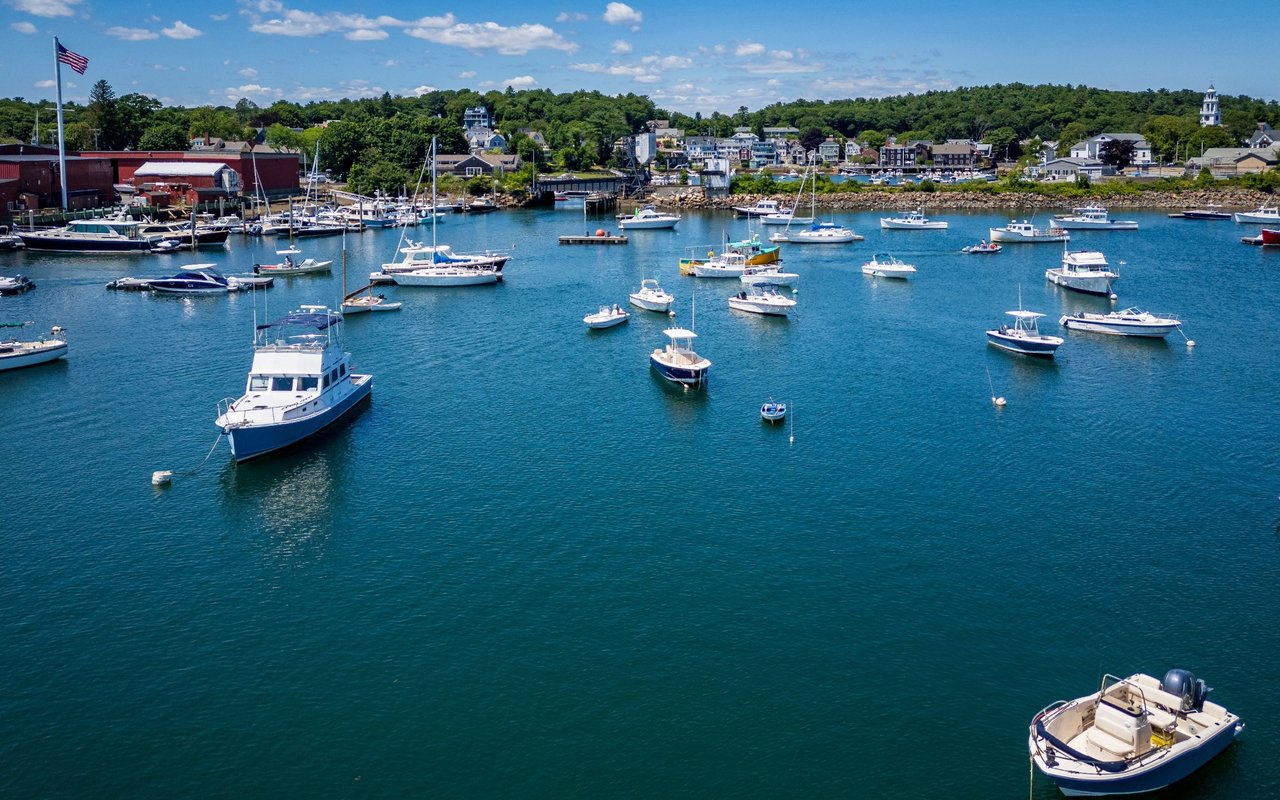
Rockport sits on Cape Ann in Essex County, a classic New England coastal town with a small harbor, rocky shoreline, and a compact, walkable village center. You’ll find galleries, local shops, and working boats along the waterfront. Many buyers choose Rockport for the coastal lifestyle, access to arts, and an intimate village feel within reach of Greater Boston and North Shore employment centers.
Commute realities
Your commute will shape daily life, so set clear expectations up front.
MBTA Commuter Rail
Rockport is the terminus of the MBTA Newburyport/Rockport Line to Boston’s North Station. Typical ride times are about 60 to 90 minutes depending on stops and schedule. Trains are less frequent than inner suburbs, and weekend service offers fewer options. Parking at the Rockport station may require permits and can fill early, especially on weekdays. Rideshare options exist but can be limited and more expensive than in urban cores.
Driving to Boston, Cambridge, and beyond
Driving to downtown Boston is roughly 30 to 40 miles, and typical travel time varies widely. During peak hours, plan for about 50 to 90 minutes or more. If you are heading to Cambridge or job centers west of Boston, add about 10 to 30 minutes compared with a Boston-bound drive. A commute to Framingham is longer and not typical for most daily drivers, but it is possible. Expect congestion on Route 127 and the Route 128 and I‑95 corridors during morning and evening peaks.
Seasonal and reliability factors
Rockport’s commute rhythm changes with the seasons. Summer tourism can significantly increase drive times and reduce downtown parking availability. Winter storms may affect both roads and rail service. MBTA maintenance and service changes happen from time to time. If you split your week between home and office, Rockport can be ideal. For daily in-office commuters, door-to-door time matters more than straight-line distance, so test your route in real time before you commit.
Beaches and coastal life
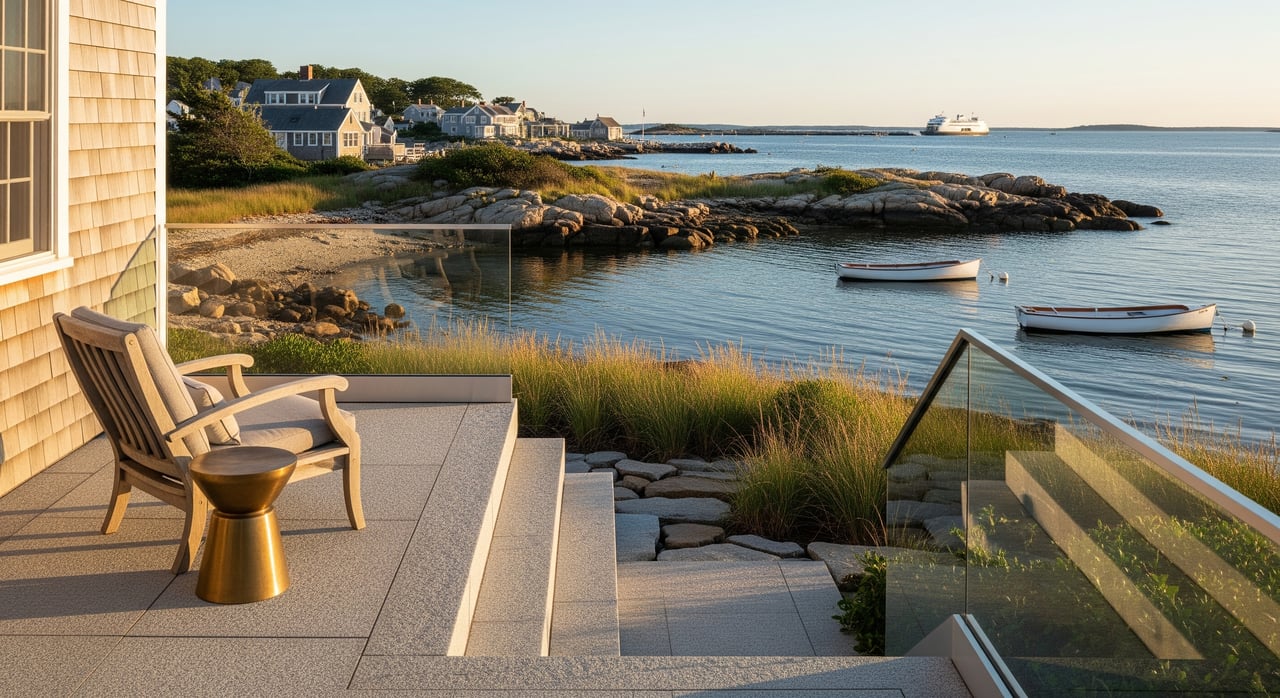
Rockport’s shoreline is the heart of its lifestyle, from scenic walks to summer swims and boat days.
Signature spots and nearby beaches
The village harbor and Bearskin Neck offer postcard views, artist studios, and small eateries right along the water. The Shalin Liu Performance Center draws regional audiences for concerts and events that pair beautifully with dinner in the village. The Halibut Point area is known for its rocky shoreline, coastal trails, and sweeping ocean views. In addition to Rockport’s own beaches, you have quick access to popular North Shore beaches in neighboring Gloucester, including Good Harbor and Wingaersheek, which are favorites for swimming and sun.
Summer buzz, winter calm
From Memorial Day through Labor Day, Rockport hums with visitors. Shops extend hours, restaurants get lively, and parking near beaches and the village fills early. The off-season is quieter with a steady local rhythm. Some businesses reduce hours or close for a few months, which many year-round residents view as part of the town’s charm.
Practical beach tips
- Beach access varies. Some areas have parking limits or fees, and lifeguards are typically on duty only during certain hours in season.
- If you own a boat or plan to, moorings and storage can be limited, so connect early with the local harbormaster.
- Coastal erosion and storm impacts are part of life near the water. Ask for historical information on storm events, elevation, and local resilience projects before you buy.
Village living day to day
Living in Rockport is about simplicity, walkability, arts, and community.
Downtown conveniences
The compact village center is easy to navigate on foot. You’ll find galleries, small shops, and eateries clustered around the harbor and Bearskin Neck. Nightlife is modest, leaning toward restaurants and seasonal events rather than late-night venues.
Arts and community events
Rockport has a strong arts identity with galleries, studios, and a performance calendar that brings locals together. Seasonal festivals, markets, and craft fairs add energy in warm months, balanced by a quieter cultural rhythm in winter.
Schools and family services
Rockport Public Schools serve local students for elementary and middle grades. High school arrangements can vary in small New England towns, so check current details with the district and state education reports. Childcare and after-school program availability can be tighter than in larger cities, so plan ahead.
Healthcare access
Rockport provides local police, fire, and EMS services. Full-service hospitals and urgent care options are in nearby larger towns, including locations in Salem, Beverly, and Gloucester. Travel times depend on traffic, weather, and season.
Housing and property considerations
A coastal village market comes with unique home styles and maintenance realities.
What you’ll find
Rockport offers a mix of year-round single-family homes, historic cottages, condos, and seasonal or second homes. Many properties are older and may have been shaped by coastal weather over time. Expect to evaluate foundations on ledge, exterior finishes exposed to salt air, and systems that may need updates.
Costs, utilities, and connectivity
Property taxes and insurance are important to understand early. Coastal homeowners often face higher premiums, including potential flood insurance depending on location. Water is generally municipal, while sewer access can vary, so confirm whether a home is tied to sewer or on a private septic system. Internet speeds and cell coverage can vary by neighborhood. If you work from home, verify providers and service levels at the address.
Rules that shape your plans
Historic districts and design review can influence exterior changes, especially in a village with strong preservation values. Building near the shoreline often requires Conservation Commission review and may trigger state-level permits. Short-term rentals are part of the local economy, and many towns maintain specific bylaws, registration steps, and tax rules. If you are buying with rental income in mind, review the latest local regulations.
Who thrives in Rockport
- Remote or hybrid professionals who can cluster on-site office days.
- Buyers who value arts, walkability, and low-key nights over a busy late-night scene.
- Beach lovers who enjoy both summer energy and winter calm.
- Second-home owners and retirees seeking a slower pace with access to Greater Boston.
If you need a very short daily commute, or if late-night entertainment is a must, Rockport may feel like a stretch. For many, the tradeoff is worth it for the coastline, community, and small-town feel.
A smart home tour checklist
Bring this list when you visit homes so you can compare options confidently.
- Flood and elevation: Ask about FEMA flood zone, elevation certificates, and any flood claims.
- Exterior wear: Check paint, shingles, decks, and metal fasteners for salt exposure.
- Basement and foundation: Look for moisture, ledge, drainage, and recent repairs.
- Systems: Review HVAC age, dehumidification, and ventilation for coastal humidity.
- Utilities: Confirm sewer vs. septic, water source, and recent septic inspections.
- Internet: Verify service providers and speeds at the address.
- Permits: Ask about past permits, historic district requirements, and any open items.
- Beach and parking: Understand seasonal parking rules and local resident options.
- Short-term rental plan: If relevant, review current bylaws, registration, and taxes.
Planning your move with confidence
Every Rockport move is unique. Some clients prioritize a clear commute plan to Boston or Cambridge. Others lead with beach access, mooring availability, or historic charm. Our team helps you balance these tradeoffs. We map door-to-door test runs, surface the right listings, assess coastal risks and maintenance needs, and clarify rules that affect renovations or rentals. For sellers, we advise on timing, pricing, and presentation to reach both year-round and seasonal buyers.
Ready to explore homes or build a step-by-step plan? Connect with the The North Shore and More Team at eXp for a tailored strategy that fits your life on the North Shore.
FAQs
How long is the commuter rail ride from Rockport to Boston?
- Plan for about 60 to 90 minutes to North Station, with fewer off-peak and weekend trains since Rockport is the terminus on the Newburyport/Rockport Line.
What should I expect driving to Cambridge or Framingham at rush hour?
- Cambridge often adds 10 to 30 minutes beyond a Boston commute, while trips to Framingham are longer cross-metro drives and not typical daily commutes.
Which beaches are nearby and what about parking rules?
- Rockport’s own beaches and Gloucester’s Good Harbor and Wingaersheek are close by, and some areas have parking limits or fees and seasonal lifeguards so arrive early in summer.
What coastal property risks should I plan for in Rockport?
- Expect salt-related wear, potential flood zones, and storm exposure, and factor in insurance and permitting if you are near the shoreline.
What is village life like in winter compared with summer?
- Summer is lively with visitors and extended hours, while winter is quieter with a steady local rhythm and a continued arts presence.