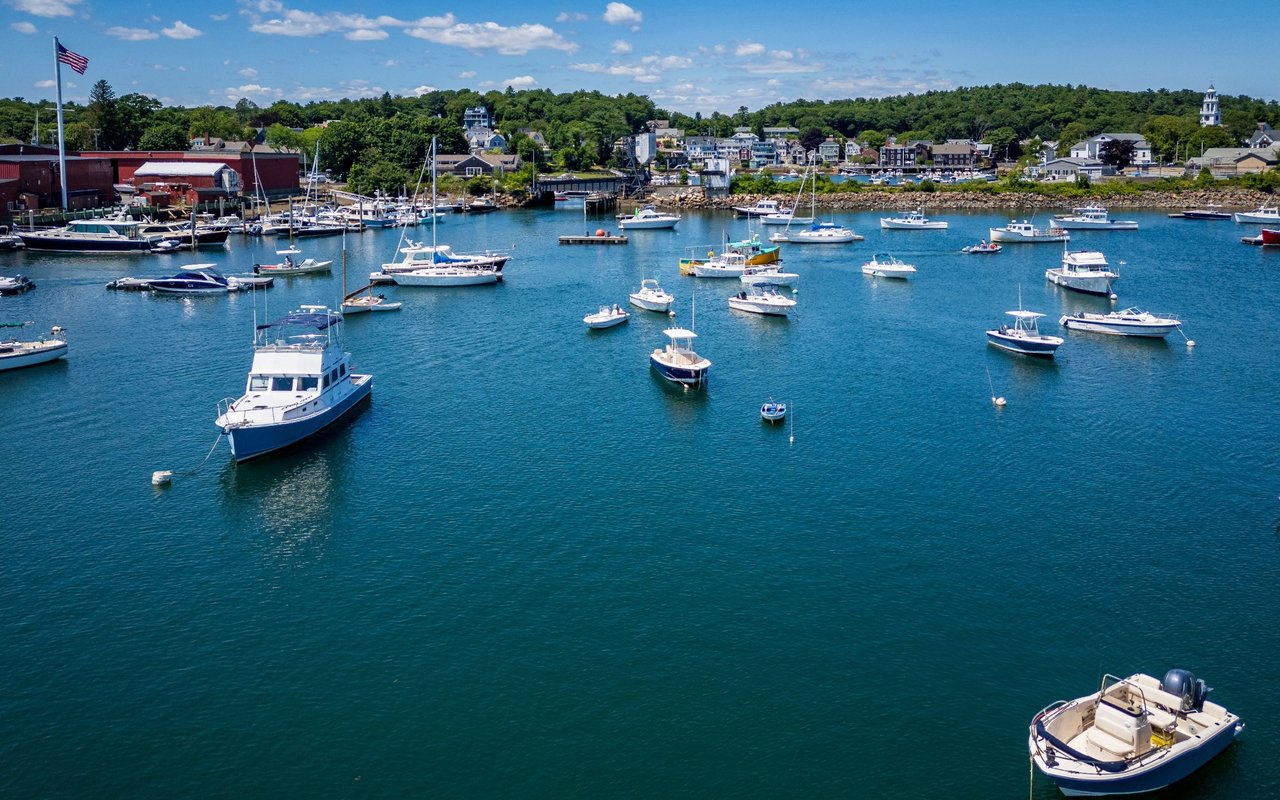
Picture this: your morning coffee on Bearskin Neck, waves tapping the granite, and a quiet walk to the station for the train back to Boston. If you have ties in Cambridge, Newton, or Framingham, Rockport can feel close enough for regular life yet far enough to truly unwind. The big question is whether you treat your Rockport home as a seasonal escape or settle in year-round. In this guide, you will learn how commute options, services, property type, coastal risk, and ownership costs shape that decision so you can buy with confidence. Let’s dive in.
Rockport at a glance
Rockport sits at the tip of Cape Ann, a coastal, arts-forward town with a compact downtown around Dock Square and Bearskin Neck. The galleries and venues, including the Shalin Liu Performance Center, give the town a strong cultural identity and a lively summer season. Many shops and cultural spaces remain active through the year, although hours often shorten in late fall and winter. That rhythm matters if you plan to stay 12 months a year. For a quick town overview and history, explore this local profile of Rockport’s arts and village center.
Getting there year-round
Commuter rail to Boston
Rockport is the terminus of the MBTA Newburyport/Rockport Line to North Station, which gives you a direct public-transit option for work or weekend trips. Service runs to and from the Rockport station, though frequency can change with construction or seasonal adjustments. If you plan to commute often, check current timetables and station details on the MBTA Rockport station page.
Driving times and parking
By car, Boston is about 37 to 43 miles away depending on your route. In normal conditions, you can often make the drive in about 1 to 1.5 hours, though congestion on I-95 and Route 128 and summer weekend traffic can extend that. Test your typical drive times from Cambridge, Newton, or Framingham during the hours you would actually travel. If you plan to use the train, note that Rockport station parking is limited, and seasonal visitor rules can affect downtown parking, so consider walking or biking into town.
Year-round services you will use
Water, sewer, and winter operations
Rockport’s Department of Public Works oversees municipal water, sewer collection and treatment, stormwater, and winter plowing. For any property, confirm whether it is on town water and sewer or relies on a private well and septic, and ask about snow-removal routes for your street. Town service information is available through the Rockport DPW.
Groceries and everyday errands
You will find small year-round markets and specialty shops in downtown Rockport. For full-service supermarkets, most residents drive a few minutes to Gloucester. Options include Market Basket, which offers broad selection and pricing typical of larger stores. Check the location and hours for the Gloucester Market Basket when evaluating full-time convenience.
Healthcare access
The nearest hospital is Addison Gilbert Hospital in Gloucester, which provides emergency and acute care. Other North Shore hospitals and urgent care options are typically 20 to 40 minutes by car, depending on where you are on Cape Ann. If reliable medical access is a priority, confirm travel times to Addison Gilbert Hospital and your preferred network’s clinics.
Arts and off-season rhythm
Galleries, concerts, and festivals are a year-round part of Rockport’s identity, though retail hours and event frequency usually taper after peak season. If you thrive on a quieter winter with occasional concerts and gallery events, the off-season pace can feel restorative. If you prefer non-stop bustle, plan on hopping to nearby Gloucester or Salem for expanded dining and entertainment when things get quiet.
Home types and winter readiness
Summer cottage or four-season home
Many traditional North Shore summer cottages were built for warm months and may lack full insulation, double-pane windows, or robust heating. That can mean drafts, higher energy bills, and compromised comfort in winter. Before committing to year-round use, verify insulation levels, window type, and whether the heating system is designed for continuous winter operation.
Heating fuel and service
Older coastal homes often heat with oil or propane. For year-round living, confirm the fuel type, delivery logistics, and recent annual usage. Ask sellers for one to two years of heating bills to estimate your winter costs. If natural gas availability matters to you, confirm service with the utility and your agent. The town’s DPW pages can help you determine whether utilities are municipal or private in your location. Start with the Rockport DPW for water and sewer context.
Sewer versus septic
Some Rockport properties connect to town sewer while others have on-site septic systems. Massachusetts Title 5 rules require inspections at transfer and in other situations, and a failing or marginal system can add significant cost. Request the most recent Title 5 report and, if septic, a recent pump and outside inspection. Learn more about Title 5 requirements from this Massachusetts septic overview.
Winter maintenance and storm planning
Coastal homes face wind, ice, and salt exposure. As a year-round owner, budget for snow removal, roof checks to avoid ice dams, and protection against frozen pipes. Consider a generator if outages are a concern. If the home will be vacant for stretches, make a winterizing checklist that covers thermostat settings, shutoff valves, and neighbor or management check-ins.
Coastal risk and insurance
Flood exposure varies widely in Rockport. Two tools can help you assess a specific property:
- FEMA Flood Map Service Center for official flood maps and zones. Check your address on the FEMA Flood Map Service Center.
- NOAA Sea Level Rise Viewer to visualize longer-term scenarios and tidal inundation patterns. Explore the NOAA Sea Level Rise Viewer.
Even if a home is outside a high-risk FEMA zone, coastal dynamics and premiums can still affect long-term costs. The National Flood Insurance Program’s Risk Rating 2.0 recalculates premiums based on property-level risk, and coastal states like Massachusetts typically see higher risk-based pricing. Review how the changes work with this explainer on Risk Rating 2.0 premium trends, and request a flood insurance quote early in your process.
What it might cost to buy and own
Rockport home values sit above many regional averages. As of early 2026, market indexes indicate typical home values in roughly the mid-700,000 to mid-800,000 range. Figures change over time, so confirm current pricing at the moment you are ready to make offers. Property tax rates also change annually, so verify the current fiscal year’s rate through the town’s assessor or treasurer pages on rockportma.gov.
For ownership budgeting, include these recurring items:
- Heating fuel or gas and electricity, especially if oil or propane is used
- Home insurance and any flood insurance if required or recommended
- HOA fees for condos, including reserves and any known special assessments
- Routine coastal maintenance and snow removal
- Water and sewer or septic maintenance and pump intervals
Quick annual cost checklist to request during due diligence:
- One to two years of heating and electricity bills
- Current homeowners and flood insurance quotes
- The latest property tax bill and assessment
- If a condo, the HOA budget, reserves, and recent special assessments
Seasonal vs year-round: key tradeoffs
Seasonal or second home
- Access: Train and highway make weekend visits practical. Peak-season traffic can slow summer Fridays and Sundays.
- Utilities and comfort: You can winterize when you are away if the home is not fully insulated. Heating costs matter less if you do not occupy in midwinter.
- Services: Groceries and healthcare are still accessible, but you may rely more on Gloucester for bigger errands.
- Maintenance: Plan for turnovers, winterization, and occasional storm checks. A management service can help if you are often away.
- Liquidity and resale: Seasonal appeal is strong because of Rockport’s summer draw. Buyers still value four-season readiness and flood clarity.
Year-round residence
- Access: Driving or taking the commuter rail is viable, but you should test your commute windows from Cambridge, Newton, or Framingham. Station parking is limited.
- Utilities and comfort: Insulation, double-pane windows, and a robust heating system are essential. Fuel delivery logistics matter for oil or propane.
- Services: Full-time living makes proximity to supermarkets and healthcare more important. Plan your routine around Gloucester resources.
- Maintenance: Budget for roof checks, snow removal, freeze protection, and potential generator needs.
- Insurance and risk: Flood mapping and elevation data can influence premiums and peace of mind. Get quotes early.
Two local examples to consider
Example 1: Downtown condo near Bearskin Neck
A renovated condo a short walk from shops and the harbor can be a smart year-round option with shared exterior maintenance and snow removal. Many buildings include central systems and better insulation than older cottages, which helps with winter comfort.
Top 3 checks before going full-time:
- Review HOA budget, reserves, winter access policies, and any special assessments.
- Confirm heating type, coverage of exterior maintenance, and hallway or common-area heat.
- Verify flood zone for the building and request an insurance quote if the property is near the shoreline using FEMA flood maps and the NOAA viewer.
Example 2: Detached coastal cottage outside downtown
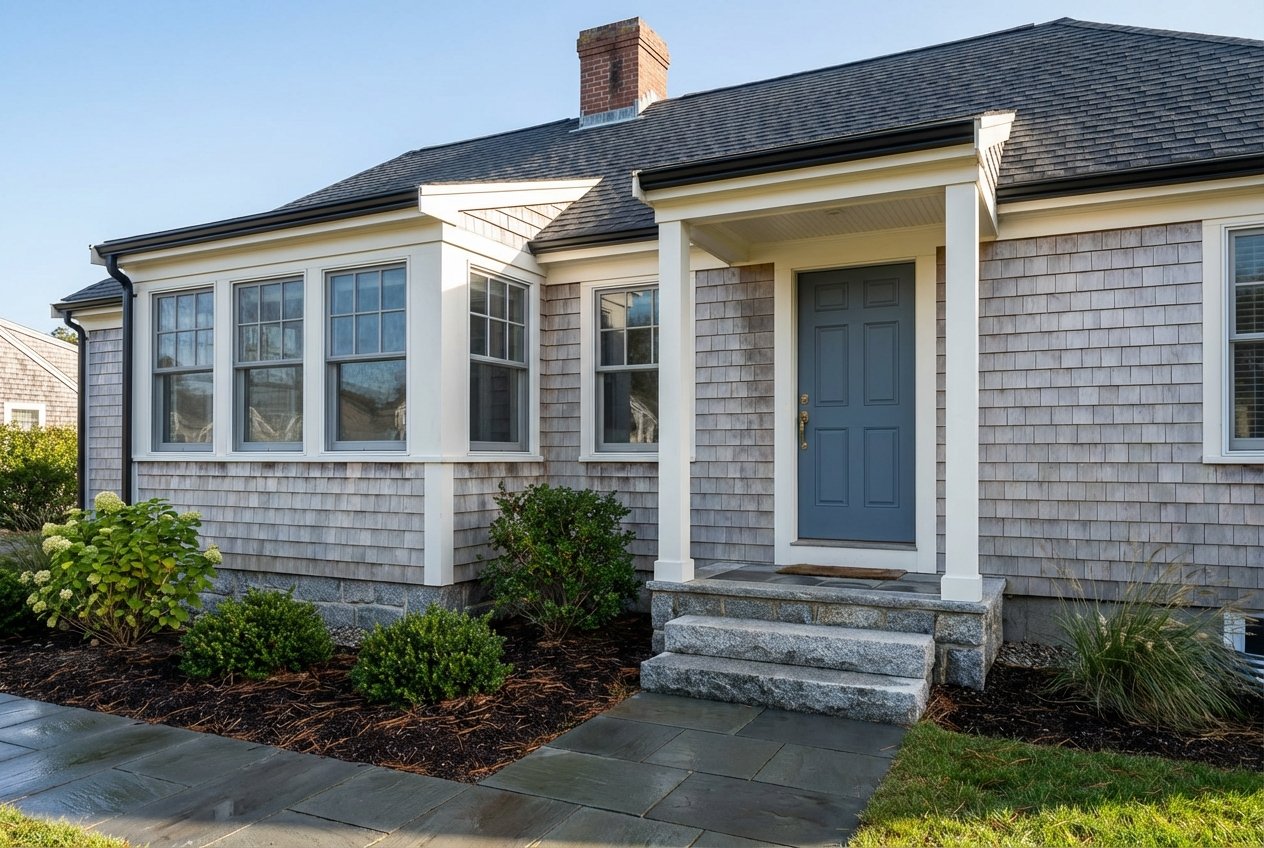
A classic shingled cottage may offer a lower purchase price and big summer charm. As a full-time residence, you might need upgrades like added insulation, modern windows, or a new heating system. Oil or propane service and winter access are key considerations.
Top 3 checks before going full-time:
- Confirm insulation levels, window type, and whether the furnace or boiler is rated and sized for winter living.
- Learn if the property is on septic or sewer. If septic, get the most recent Title 5 inspection and pump record. Use this Title 5 guide for context.
- Check the FEMA flood zone and elevation certificate. If premiums seem high, ask how elevation or mitigation might affect costs and verify using the FEMA map tool.
Decision checklist for buyers
Use this quick list as you evaluate any Rockport property.
- Water and sewer: Is the home on town services or a private well and septic? Start with the Rockport DPW.
- Heating: What is the fuel type and delivery plan? Request one to two years of heating bills.
- Insulation: Are crawlspaces, basements, and attics insulated, and are windows double-pane? Price upgrades if needed.
- Flood risk: What FEMA flood zone applies and what does the NOAA Sea Level Rise Viewer show for the area? Check the FEMA Flood Map Service Center and request elevation certificates if relevant.
- Commute: Test-drive from Cambridge, Newton, or Framingham at your typical times. Verify MBTA Rockport schedules.
- Services: Map your full-service grocery run to Gloucester, such as Market Basket, and confirm hospital and urgent care access at Addison Gilbert Hospital.
- Rentals and rules: If you hope to rent part-time, confirm local zoning, short-term rental rules, and any condo restrictions with the town. Start at rockportma.gov.
The bottom line
If you want the energy of a summer town with year-round essentials, Rockport delivers both. Seasonal ownership can be perfect if you crave a low-stress coastal base and do not mind winterizing. Year-round living works best when the property is fully insulated, utilities are reliable, and your weekly routines fit the commute and Gloucester services. Ready to pinpoint the right fit and run the numbers on specific homes? Connect with The North Shore and More Team at eXp for a local, consultative plan tailored to how you want to live.
FAQs
Is Rockport a practical year-round commute to Boston?
- Yes for many buyers, especially with the MBTA Rockport Line to North Station and a typical 1 to 1.5 hour drive depending on traffic; test your actual commute windows and check MBTA Rockport schedules.
How do I verify if a Rockport home is on sewer or septic?
- Ask your agent and sellers, then confirm with the town; start with the Rockport DPW and request the latest Title 5 inspection if the home uses septic.
How can I check flood risk for a specific Rockport address?
- Look up the property on the FEMA Flood Map Service Center and review longer-term scenarios with the NOAA Sea Level Rise Viewer; then get an insurance quote.
Where do Rockport residents do full-service grocery shopping in winter?
- Downtown has small markets, but most residents drive to Gloucester for larger stores such as Market Basket.
What extra winter costs should I expect for a coastal Rockport home?
- Budget for higher heating if using oil or propane, snow removal, roof and gutter maintenance to prevent ice dams, potential generator needs, and flood insurance if required or recommended.