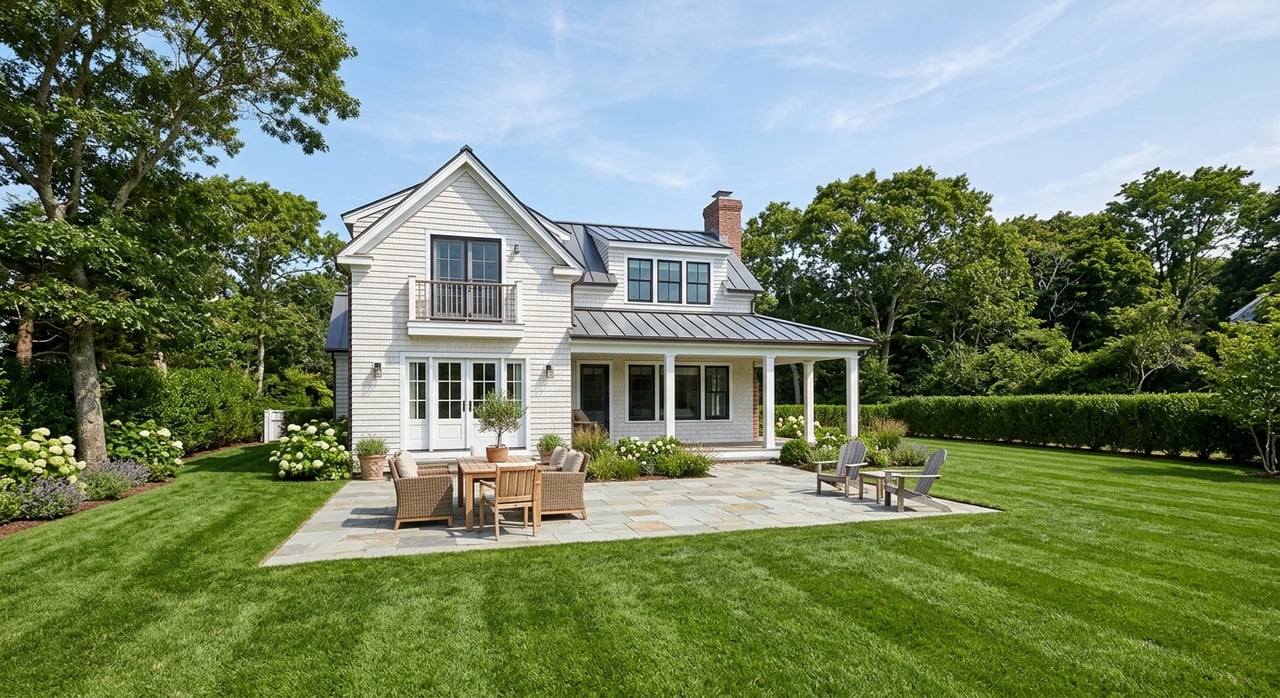
If your Boston-area condo once felt like the perfect fit but now feels tight, noisy, or limiting, you are not alone. Many buyers reach a point where more square footage, a yard, and easier day-to-day parking start to matter more than shared amenities and close neighbors. If Danvers is on your radar, this move can offer a very different lifestyle rhythm, and understanding the tradeoffs can help you make a smarter plan. Let’s dive in.
Why Danvers appeals to condo owners
Danvers offers a more suburban housing profile than many city neighborhoods and condo-heavy areas closer to Boston. The town is about 20 miles northeast of Boston in southwest Essex County, and its housing stock is largely made up of owner-occupied homes rather than condo-dominant buildings. Census data cited by the town shows a 69.2% owner-occupied housing rate, with a 2024 population of 28,590.
That matters if you are looking for a move-up destination with a different feel. Danvers has 11,533 housing units, and the town’s housing plan says most are owner-occupied single detached homes, with duplexes, townhomes, and apartment buildings also part of the mix. In simple terms, this is the kind of market where trading a condo for a house often means gaining more separation, more storage, and more control over your property.
What changes in daily life
The biggest shift is usually space and responsibility. In many Danvers homes, you may gain a yard, driveway, garage, or basement storage that you likely did not have in the same way in a city condo. You also take on more exterior upkeep, maintenance, and budgeting for the property itself.
That trade can be worth it if your priorities have changed. If you want room for a home office, guests, hobbies, outdoor time, or simply more breathing room, Danvers can support that next chapter well. The town’s housing mix supports a more detached, suburban lifestyle than many urban condo settings.
There is also flexibility in some single-family properties. Danvers allows Extended Family Living Areas, often called in-law apartments, when lot and permit conditions are met. For buyers thinking ahead about multigenerational living or changing household needs, that can be an important feature to explore.
Danvers is not one-size-fits-all
A lot of buyers talk about Danvers as if it has one single vibe, but it does not. The town includes residential districts, downtown character-based districts, corridor zones, commercial areas, civic districts, industrial districts, and a waterfront village district. Residential districts make up the largest share of land, but corridor areas are also a meaningful part of the map.
For you, that means home search strategy matters. Some locations will feel more suburban, quieter, and yard-oriented. Others may offer quicker access to shopping, major roads, and mixed-use areas that can make errands and commuting easier.
Parks and outdoor access matter here
If part of your move is about lifestyle, Danvers has strong local amenities that support more time outdoors. Endicott Park is one of the town’s standout features, with 165 acres that include trails, picnic areas, a pond, a playground, disc golf, a dog park, community gardens, and a nature center. That gives you a built-in local option for recreation without needing to leave town.
The Danvers Rail Trail is another major plus. The 4.3-mile shared-use path connects schools, downtown Danvers, parks, residential neighborhoods, and nearby communities including Peabody, Wenham, and Topsfield. The town also notes that an extension is under construction, which adds to the appeal for buyers who value outdoor access close to home.
For many former condo owners, this is part of the real upgrade. More space at home is one thing, but easy access to trails, parks, and open-air recreation can make the whole move feel more worthwhile.
Shopping and route access shape convenience
Danvers is also practical in ways that appeal to move-up buyers. Much of the town’s industrial and commercial activity is concentrated along Routes 1, 114, and 128 and Interstate 95. Downtown Danvers adds retail and dining options, which helps create a mix of suburban residential living and everyday convenience.
If quick errands matter to you, the Route 114 and Route 128 area will likely stand out. Danvers Marketplace sits just off I-95, and Liberty Tree Mall is located off Route 128 at Exit 41 and just off Route 114. Liberty Tree Mall also lists MBTA bus access via routes 465, 435, and 436.
This is one of the key decisions in a Danvers move. Do you want faster access to highways, shopping, and regional connections, or do you want a more residential setting closer to parks and neighborhood streets? Both options exist, but they create different daily routines.
The biggest tradeoff is transportation
If you are leaving a city condo, transportation is often where the lifestyle shift becomes most obvious. Danvers does not have commuter rail access, rapid transit, or regular bus routes within town, according to the town’s transportation assessment. That means your day-to-day life will usually be more car-dependent than it was in Boston.
That said, there are still some transportation supports. Danvers borders Beverly, which has multiple MBTA commuter rail stations. Danvers also joined the Salem Skipper shuttle service in June 2024, with on-demand service connecting downtown Danvers, Liberty Tree Mall, Salem, and Beverly.
The takeaway is simple: Danvers can work well if you are comfortable with a more car-oriented routine. If walk-to-transit living is one of your top priorities, you will want to weigh that trade carefully before making the move.
Budget for more than the purchase price
When buyers move from a condo to a house, monthly costs often change in ways that are easy to underestimate. The purchase price is only one piece of the picture. You also need to budget for closing costs, loan interest and fees, moving costs, repairs, furniture, and home improvements.
In Danvers, local carrying costs also matter. The town’s FY26 residential tax rate is $10.69 per $1,000 of assessed value. Using the Census median owner-occupied value of $644,200, that works out to about $6,886 per year in property tax before exemptions or differences in assessment.
You should also account for water and sewer charges, since the town publishes separate rates for those services. If you are used to condo living where some costs were bundled into HOA dues, this is an important mindset change. A single-family home budget usually has more moving parts.
Timing the sale and purchase takes planning
For many condo owners, the move to Danvers is not just about finding the right house. It is about coordinating your condo sale, your financing, and your timeline without creating unnecessary stress. That is especially important if your sale proceeds are part of your down payment for the next home.
The town’s 2026 housing plan shows why planning matters. Home list prices in Danvers increased by at least 43% between 2017 and 2023, while condo list prices rose 36% over the same period. In a market with rising prices and low vacancies, a clear buy-sell strategy matters more than a loose wish list.
Many buyers try to sell first before buying another home so they do not risk carrying two properties at once. That approach will not fit every situation, but it highlights the need for a realistic plan around proceeds, timing, and negotiating power.
How to decide if Danvers fits your next chapter
Danvers may be a strong fit if you want more living space, less shared-wall living, and a more suburban setup without leaving the greater Boston orbit. The town’s owner-heavy housing mix, strong road access, major parks, and rail trail all support that lifestyle shift. At the same time, the transportation tradeoff is real, and your budget needs to reflect the costs of owning a larger property.
The best move is usually the one that matches your actual routine, not just your idealized picture of suburban life. Think about how often you commute, how much outdoor space you want, how important route access is, and whether you prefer convenience near shopping corridors or a more residential setting. Those answers will help narrow where and how to search in Danvers.
If you are weighing a condo sale and a suburban purchase at the same time, having local guidance can make the process far more manageable. A strong plan can help you evaluate value, compare location tradeoffs, and line up your timing with less guesswork. When you are ready to map out your next move, connect with The North Shore and More Team at eXp for a consultative look at your options in Danvers and across the North Shore.
FAQs
Is Danvers a good place to move after living in a Boston-area condo?
- Danvers can be a strong option if you want more space, more detached housing choices, and a more suburban daily routine while staying within the greater Boston region.
What kind of housing is common in Danvers, Massachusetts?
- Danvers has 11,533 housing units, and the town says most are owner-occupied single detached homes, along with duplexes, townhomes, and apartment buildings.
What is the biggest lifestyle change when moving from a condo to a house in Danvers?
- The biggest change is usually gaining more space and property control while also taking on more maintenance, exterior upkeep, and home-related monthly costs.
Does Danvers, Massachusetts have commuter rail service?
- No. Danvers does not have commuter rail access, rapid transit, or regular bus routes within town, though it borders Beverly and also has access to the Salem Skipper shuttle service.
What outdoor amenities does Danvers offer homebuyers?
- Danvers offers amenities including Endicott Park and the Danvers Rail Trail, which provide trails, recreation areas, neighborhood connections, and outdoor access close to home.
What should condo owners budget for when buying a house in Danvers?
- In addition to the purchase price, you should budget for closing costs, moving expenses, repairs, furniture, home improvements, property taxes, and water and sewer charges.