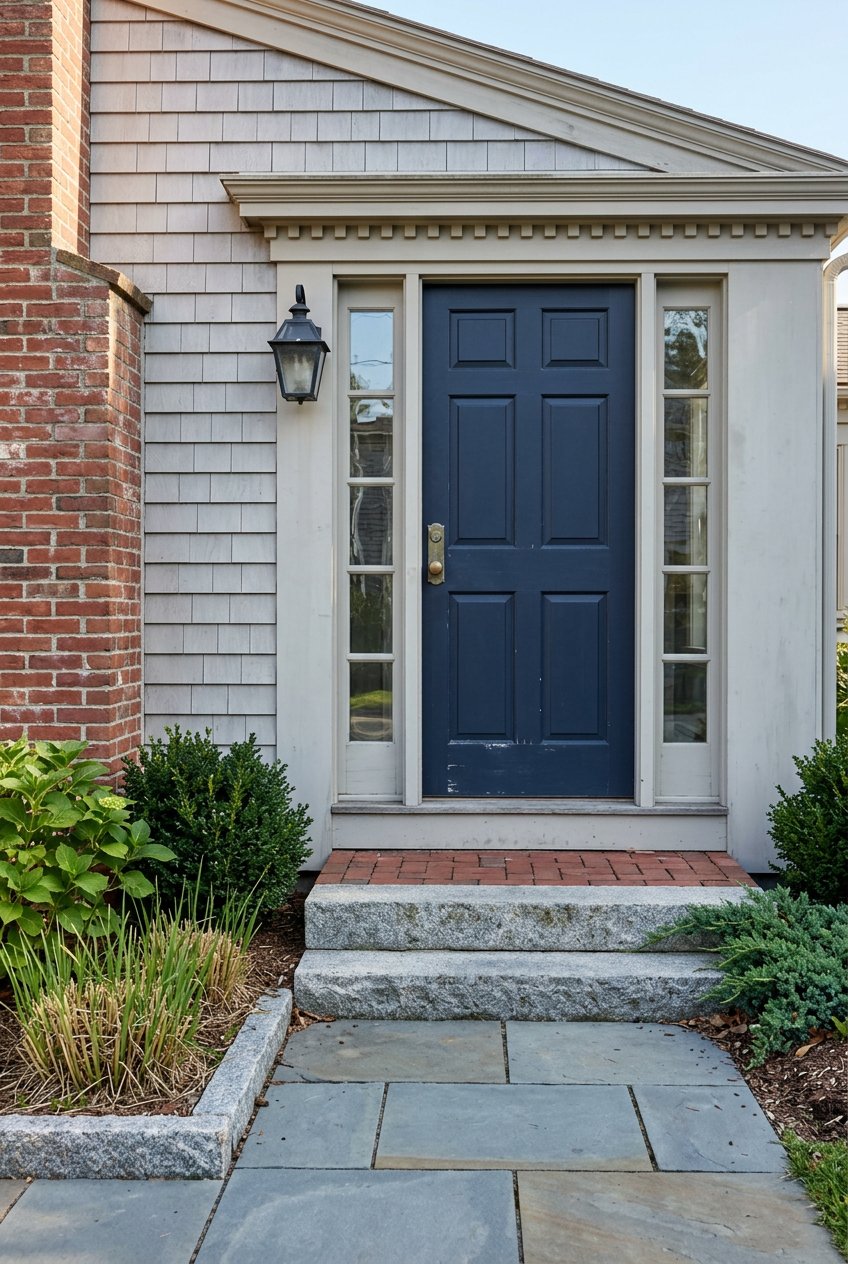
Imagine stepping into a sunlit room with wide-plank floors, a working fireplace, and windows that frame the harbor. If you are drawn to Marblehead’s character homes, you probably love the patina and the stories. You also want to understand the quirks before you buy. In this guide, you will learn how to spot common historic styles, what those features mean for daily living, and how to plan smart upgrades within local rules. Let’s dive in.
Why Marblehead homes feel different
Marblehead grew up around a busy harbor, and that maritime economy left a remarkable mix of 17th to 19th century houses. You will see grand merchant homes near the town center and many modest cottages threaded through narrow streets. The town also recognizes and protects much of this heritage through local commissions and a National Register district. That civic focus is why so many exteriors still look and feel authentically New England.
If you want quick local context, the Jeremiah Lee Mansion and the King Hooper Mansion are standouts. You can explore both on the Marblehead Museum’s historic places page. These landmarks help you picture how style, scale, and craftsmanship evolved here.
Spot the style: quick field guide
Learning a few visual cues makes house hunting more fun. For a deeper overview, refer to Historic New England’s architectural style guide.
First Period basics (1600–1725)
Key markers include steep roofs, large central chimneys, small multi-pane windows, and saltbox profiles when a rear lean-to is present. Interiors often have low ceilings and exposed heavy timber. Later additions may create an irregular plan that blends old and new service areas. For a good primer on how these early houses live today, see Historic Massachusetts’ overview of First Period homes.
Georgian showpieces (c. 1700–1780)
Think symmetry and stature. Look for five-bay facades, paneled doors with pediments, and classical cornices. In Marblehead, merchant and captain’s houses often fall into this category, with larger rooms and refined interior woodwork. Kitchens in these homes may be tucked into a rear ell unless a later renovation opened things up.
Federal refinement (c. 1780–1820)
Federal houses keep the symmetry but lighten the details. Expect fanlights, sidelights, and slender moldings. Higher style examples use a central-hall plan, which can feel more gracious and balanced than earlier layouts.
Nineteenth-century updates
Greek Revival brings pedimented gables and bold trim. Italianate adds bracketed eaves and tall, narrow windows. Later Victorian styles, including Queen Anne, lean into asymmetry, bay windows, and porches. Marblehead layers these styles onto older streetscapes, so you might see a Greek Revival next to a Colonial-era saltbox.
Shingle Style and Colonial Revival
Shingle Style homes often use continuous shingle cladding to unify complex shapes, a favorite for coastal settings. Colonial Revival reinterprets colonial motifs with more modern floor plans. Both appear in Marblehead as the town’s housing stock expanded into the early 20th century.
How age shapes daily living
Historic charm is real, and so are the tradeoffs. Knowing them helps you set expectations and plan.
Floor plans and flow
Early houses often center on a large hearth or chimney mass, with rooms arranged around it. Georgian and Federal homes may use a center- or side-hall plan that feels more formal. Many Marblehead homes gained later ells and lean-tos that now house kitchens and baths. This history means circulation can feel less open than newer construction, and you might move through a series of smaller rooms rather than one great room.
Storage and room sizes
Original closets were rare. Many homes relied on armoires and chests, so built-ins you see today were likely added later. Expect compact kitchens in untouched spaces and smaller or non-existent laundry rooms unless someone has carved them out of an addition. Plan for creative storage and measure carefully.
Stairs, ceilings, and natural light
Staircases in older cores can be narrow with short headroom. First Period ceilings may be low, while Georgian and Federal homes often have higher ceilings in principal rooms. Window sizes vary by era, which affects brightness. Walk the house at different times of day to gauge light and flow.
Systems, safety, and insurance
Old homes can be safe and comfortable when upgraded with care. The key is to inspect early and bring in the right specialists.
Electrical wiring and insurance
Knob-and-tube wiring appears in some pre-1940s houses. Many insurers treat active knob-and-tube as a higher risk and may require remediation or documentation from a licensed electrician. Get clear on what is present and ask your carrier about coverage early. For background on how insurers view older systems, review this overview of insuring old homes.
Lead paint and renovation rules
Homes built before 1978 may contain lead paint. If you plan to disturb painted surfaces, federal law requires lead-safe practices under the EPA’s Renovation, Repair and Painting rule. Hire contractors certified for the EPA RRP program and budget for testing and compliance.
Foundations, chimneys, and moisture
Stone or early masonry foundations are common in Marblehead and can show moisture or movement. Historic chimneys often need evaluation and, if you intend to use fireplaces, possible relining. Preservation guidance emphasizes diagnosing moisture pathways before invasive fixes and choosing methods that respect historic fabric. The National Park Service shares best practices for sustainability and resilience in historic buildings.
Energy upgrades that respect character
You can make a historic home more comfortable and efficient without losing what makes it special. Start with steps that are reversible and targeted.
Start with an energy audit and weatherization
A home energy audit helps you prioritize air sealing, attic insulation, and basement or crawlspace improvements. Many original windows can perform well with maintenance, weather-stripping, and quality storm units rather than full replacement. The National Park Service outlines a sensible sequence in its guidance on weatherization and energy audits for historic buildings.
Heat pumps, windows, and solar in the district
Heat pumps and solar can work on historic homes, but visible exterior changes may trigger local review if the property sits inside Marblehead’s Old and Historic District. The town has been working on updates to better align preservation and net-zero goals, including a liaison effort reported by the Marblehead Independent. Expect a design review process for exterior changes that are visible from the street.
What to check before you write an offer
Use this checklist to balance heart and head when you find the right house.
- Hire a licensed home inspector who can speak to structure, electrical, plumbing, and HVAC. Ask for a clear list of deferred maintenance.
- Book a licensed electrician to evaluate service capacity, panel type, and any knob-and-tube or cloth-insulated wiring. If present, call your insurer before finalizing terms.
- Order lead testing if the home predates 1978 and confirm that your contractors follow EPA RRP rules.
- Consider targeted hazardous materials testing where appropriate, such as asbestos in insulation or pipe wrap, and check for any underground or inactive oil tanks.
- Bring in a structural engineer if you see settlement, plan to remove walls, or notice major additions.
- Have a chimney professional inspect fireplaces and flues if you want to use them.
- Ask a licensed plumber and an HVAC contractor with historic-home experience to review system age, capacity, and any planned upgrades.
- Confirm whether the property sits inside Marblehead’s Old and Historic District and whether any past exterior work was reviewed. You can find local commission information and resources on the town’s Historical Commission page.
Suggested contract language to surface key records:
- “Buyer reserves the right to obtain specialist inspections, including electrical, structural, chimney, and lead testing.”
- “Seller to provide documentation of any historic-district approvals for exterior work since [year], and copies of building permits for major mechanical or system work.”
Local rules and where to ask
Marblehead’s Historical Commission and Old and Historic Districts Commission review visible exterior changes in regulated areas. If you plan to alter windows, doors, roofing, or add equipment that is visible from public ways, expect a review. The commissions also maintain archives that can help you document a home’s history, which is useful for planning sympathetic work. Start with the town’s Historical Commission portal to learn how the review process works and what to submit.
Flood risk on the coast
If you are eyeing homes close to the waterfront or on Marblehead Neck, fold flood risk into your due diligence. The town’s Engineering Department points buyers to FEMA Flood Insurance Rate Maps. Check the specific FEMA panel that covers your parcel, since different neighborhoods fall on different maps. You can find links and guidance on the town’s flood insurance information page. Flood-zone status can affect both insurance costs and what improvements you can permit.
Next steps for Marblehead buyers
- Walk a few examples of each style to learn what you like and what you can live with. Visit or research local landmarks to train your eye.
- Check whether a parcel is in the Old and Historic District and gather any past approvals or permits.
- Add electrical and lead testing to your inspection plan. Clarify insurance requirements early if older systems are present.
- Prioritize reversible energy savings first, such as air sealing and attic insulation, then plan larger HVAC or window projects through the proper review.
If you want a local partner who understands historic charm and today’s building science, reach out to The North Shore and More Team at eXp for a free North Shore market consultation. We will help you weigh style, systems, and long-term value so you can buy with confidence.
FAQs
What are the most common historic home styles in Marblehead?
- You will often see First Period saltboxes, Georgian and Federal homes near the center, plus Greek Revival, Italianate, and occasional Shingle Style or Colonial Revival houses across town.
How do historic floor plans affect daily living?
- Expect smaller, compartmentalized rooms, fewer original closets, and narrower stairs in early cores, with many kitchens and baths located in later additions or rear ells.
Can I install heat pumps or solar on a home in Marblehead’s historic district?
- Often yes, but visible exterior changes typically require review by the local commission, so plan for a design submittal and expect guidelines to balance energy goals with preservation.
Do insurers cover homes with knob-and-tube wiring?
- Many carriers require an electrician’s report or remediation before binding coverage, so identify wiring types during inspections and call your insurer early in the process.
What should I check for with foundations and chimneys in older homes?
- Look for moisture, movement, and prior patching in stone foundations, and have chimneys inspected and, if needed, relined before use to meet current safety standards.