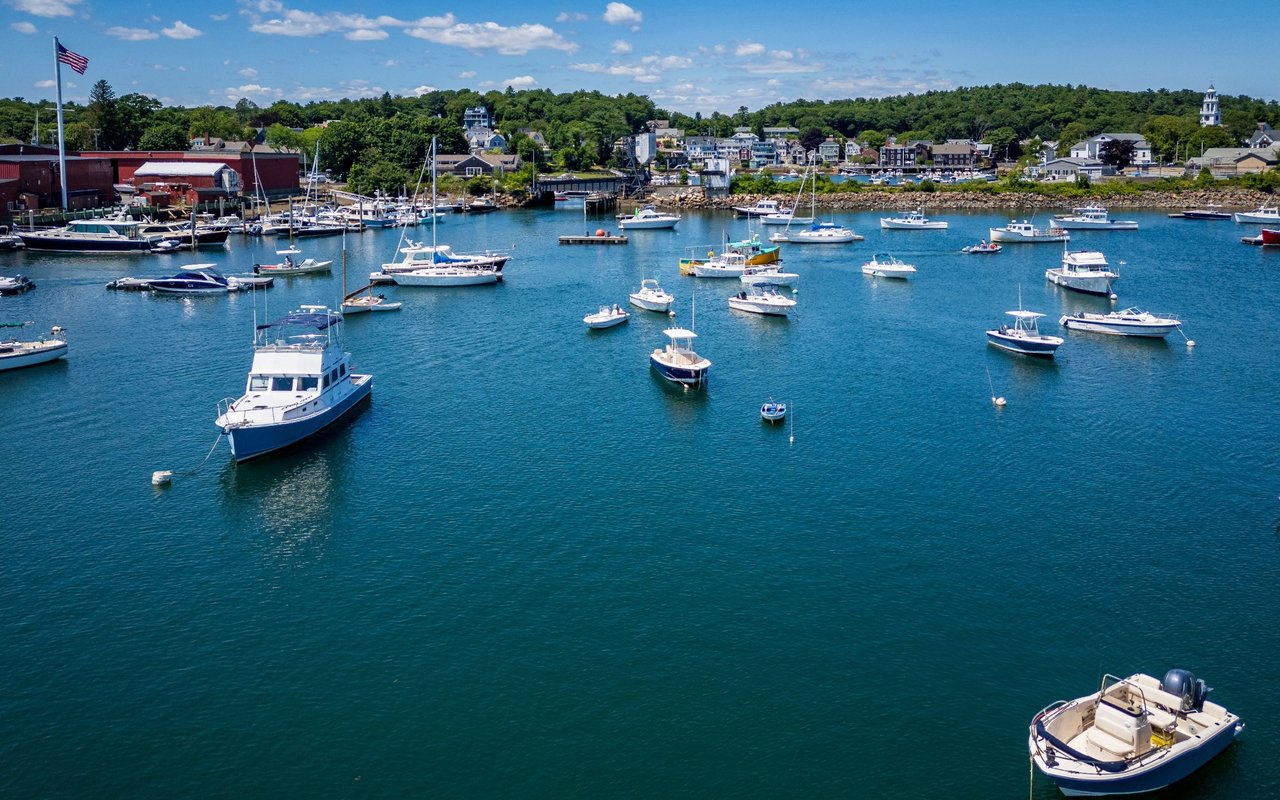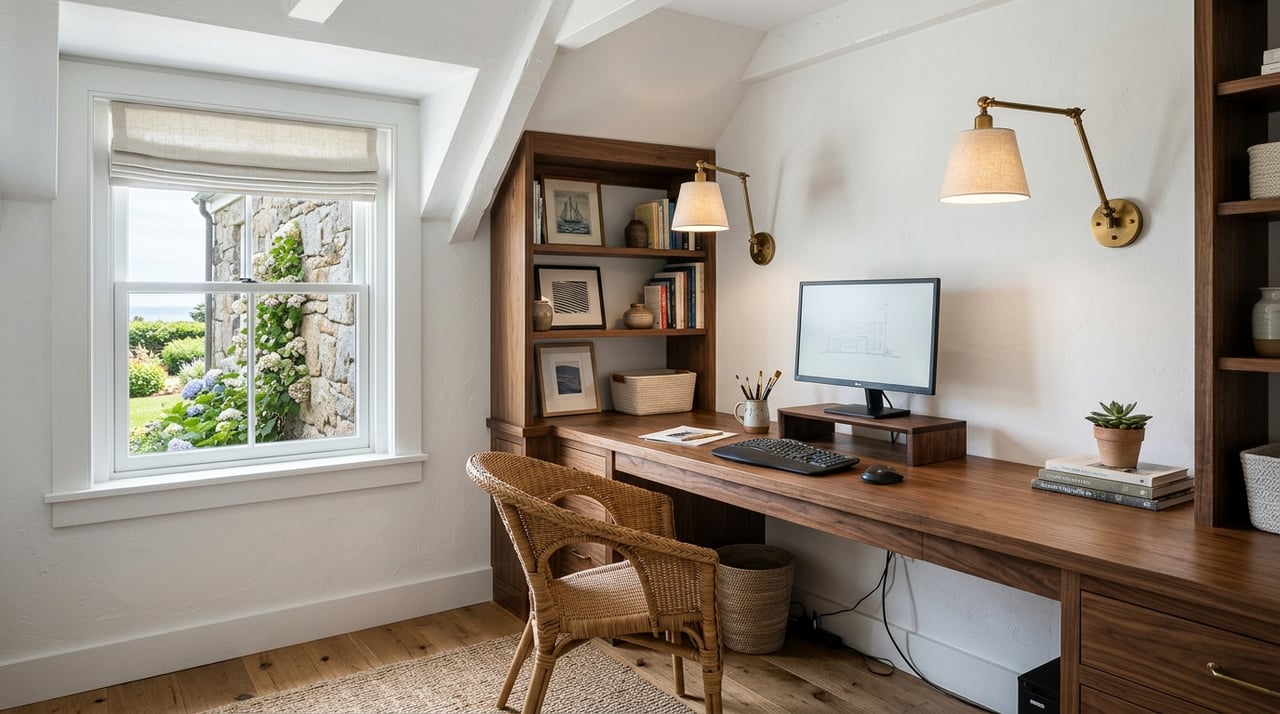
If your best ideas come when you can walk to coffee, look at the water, and get back to work without a long, draining commute, Rockport may feel like a rare fit. Many buyers today want more than square footage alone. They want a place where daily life, creative energy, and work routines actually support each other. In Rockport, that overlap is a big part of the appeal. Let’s take a closer look.
Rockport blends art and everyday life
Rockport is not just a scenic coastal town. It is also an official Massachusetts cultural district, with a creative identity centered around Bearskin Neck and Motif No. 1. That designation reflects a real concentration of arts activity, including more than 40 art galleries and the waterfront setting that keeps drawing visitors back.
For many buyers, that matters because it changes how a town feels day to day. In Rockport, art is not tucked away in one corner. It is part of the rhythm of downtown life, from galleries and studios to performance spaces and public-facing creative energy.
A long arts tradition adds depth
Rockport’s connection to artists is not new. According to the Rockport Art Association & Museum, painters have been drawn to Cape Ann for more than 150 years, and many artists were already spending summers in studios on Bearskin Neck by 1900.
That kind of history gives the town more than charm. It creates a sense of continuity that many creatives appreciate, especially if you want to live somewhere with an established artistic community rather than a newly branded scene.
Local institutions keep creativity active
The creative draw is also supported by local organizations. The Rockport Art Association & Museum has served as a gathering place since 1921, while Rockport Music’s Shalin Liu Performance Center brings another layer of cultural activity right to the waterfront.
Rockport’s local Cultural Council also funds arts, humanities, and interpretive-science projects for the town. Together, these pieces help make creativity feel woven into local life, not just part of the visitor experience.
Walkability supports remote work
For remote and hybrid workers, lifestyle often comes down to what your normal Tuesday looks like. Can you break up the day with a short walk? Can you handle an errand without getting in the car? Can you step away from your screen and return refreshed?
Rockport stands out because town planning documents point to a clear goal of supporting a traditional, walkable village around the commuter rail station. The focus includes preserving the existing built form, improving pedestrian connectivity, supporting everyday business activity, and allowing a range of housing types and price points.
A compact downtown changes the workday
A walkable core can make a big difference when you work from home. Instead of separating work, errands, and downtime into different parts of your day, Rockport’s village setup can make them feel more connected.
The town’s downtown parking plan also supports that picture, with wayfinding, estimated walk times, a shuttle to remote parking, and pedestrian improvements. In practical terms, that suggests a place where short walks and quick stops can fit naturally into your routine.
Footpaths add everyday flexibility
Rockport’s Rights of Way Committee maintains many footpaths throughout town, including routes such as Atlantic Path, Harbor Walk, Front Beach, and downtown paths. That network adds another layer of convenience and quality of life.
If you work remotely, having easy access to outdoor routes can help break up long hours at home. For creatives, those same paths can offer quiet space to think, sketch, photograph, or simply reset between tasks.
Boston access helps hybrid schedules
One of Rockport’s most practical advantages is that it offers a quieter coastal setting without cutting you off from the region. Rockport is served by the MBTA Commuter Rail Newburyport/Rockport Line, and state materials place the town about 40 miles north of Boston at the tip of Cape Ann.
That combination can appeal to buyers who do not need to be in Boston every day but still want occasional access for office time, meetings, or events. If your schedule is hybrid rather than fully in-person, Rockport may offer a more balanced home base.
Quiet at home, connected when needed
For many remote and hybrid workers, the goal is not to be as close as possible to the city. It is to choose a home setting that feels calm and functional while keeping regional access available.
Rockport fits that idea well. You can prioritize a coastal small-town environment while still having a rail connection that supports less frequent commuting.
Scenery fuels creative energy
Some places are simply easier to feel inspired in, and Rockport has strong everyday nature assets. Halibut Point State Park is one of the clearest examples, described by the state as a granite edge between the Atlantic Ocean and the mainland with trails, tide pools, rocky ledges, scenic viewing, and clear-day views toward Maine and New Hampshire.
Nearby, the town-owned Sea Rocks property adds more trails, rocky ledges, sweeping ocean views, and extensive tide pools. For visual creatives especially, that kind of landscape can be a meaningful part of daily life.
Natural surroundings are part of the appeal
In Rockport, scenery is not just something you visit once in a while. Public paths, harbor walks, beaches, and ocean viewpoints are part of the town’s normal backdrop.
That matters whether you are a painter, photographer, designer, writer, or remote professional who simply does better work when your environment feels open and restorative. Sometimes quality of life starts with what you see when you step outside.
Housing offers several living styles
No two buyers use space the same way. Some want a dedicated office. Others need a guest room that can double as a studio. Some are looking for a property with flexibility for rental or multi-unit living.
Rockport’s 2024 Housing Production Plan shows a housing mix led by single-family detached homes, which made up about 65.6% of housing structures in 2020. Roughly 20% were 2-to-4-unit multifamily homes, which adds options beyond the classic standalone house.
Single-family homes suit office needs
Because single-family homes make up most of the housing stock, buyers may find opportunities for extra rooms, detached work areas, or layouts that can support a home office. That can be especially useful if you work remotely full time or need space for both living and creative projects.
For buyers who want a classic New England home base, Rockport’s housing mix supports that search. At the same time, the presence of smaller multifamily properties can create flexibility for different budgets or goals.
Mixed-use potential adds flexibility
Rockport’s historic district design guidelines and transit-oriented village zoning materials offer another interesting angle. The town has four historic districts, and the guidelines note that commercial storefronts are an integral part of those districts.
Town materials also permit mixed-use buildings, multi-family buildings, and townhouses in certain village-center contexts. They even describe mixed-use buildings where residential units can sit on the ground floor when non-residential uses do not fully occupy that level.
The design guidelines further note that historic storefronts may be converted from commercial to residential use while retaining character-defining display windows. For some buyers, that points to the possibility of spaces that feel especially well suited for a studio, display area, or home office setup.
Why buyers keep circling back to Rockport
The strongest case for Rockport is not just one feature. It is the way several strengths work together. You have a dense gallery district, a long-running arts institution, walkable village planning, public footpaths, regional rail access, and dramatic coastal scenery.
That combination is hard to fake and hard to replicate. If you are looking for a town where creative work and everyday life can happen close together, Rockport offers a compelling version of that lifestyle.
For buyers, that can mean choosing a place that supports not only where you live, but also how you want to spend your days. And if you are considering a move, purchase, investment, or a property with flexible work-from-home potential in Rockport, The North Shore and More Team at eXp can help you evaluate the options with local insight and a consultative approach.
FAQs
Why does Rockport appeal to artists and creatives?
- Rockport has an official Massachusetts cultural district, more than 40 art galleries, a long arts history on Bearskin Neck, and local institutions that continue to support creative activity.
Why is Rockport a good fit for remote workers?
- Rockport offers a walkable village setting, public footpaths, everyday downtown amenities, and commuter rail access that can support a flexible work-from-home or hybrid routine.
Does Rockport have access to Boston for hybrid commuters?
- Yes. Rockport is served by the MBTA Commuter Rail Newburyport/Rockport Line, and state materials place it about 40 miles north of Boston.
What kind of scenery does Rockport offer for creatives?
- Rockport includes coastal views, harbor walks, beaches, footpaths, and major nature assets like Halibut Point State Park and Sea Rocks, with trails, tide pools, rocky ledges, and wide ocean views.
What types of homes are common in Rockport?
- Rockport’s housing stock is led by single-family detached homes, with additional 2-to-4-unit multifamily properties and some mixed-use and village-center building types that may offer flexible space.
Can Rockport properties work well for home offices or studios?
- In many cases, yes. The town’s mix of single-family homes, smaller multifamily properties, and some mixed-use or historic storefront-style spaces can support office, studio, or flexible live-work setups depending on the property.